World supplier of antibodies, antigens and kits since 2007

Primary Antibodies
SPHK1Polyclonal Antibody
$255/ 100ul
QuantityTotal: $255
Ship worldwide. Contact order@enogene.com for ordering and bulk pricing or contact your local distributor.
BackgroundSphingosine kinases (SPHKs) catalyze the phosphorylation of sphingosine to form sphingosine-1-phosphate (S1P), a lipid mediator with both intra- and extracellular functions. Together with other sphingolipid metobolizing enzymes, SPHKs regulate the balance of the lipid mediators, ceramide, sphingosine, and S1P (1-4). Two distinct SPHK isoforms, SPHK1 and SPHK2, have been cloned and characterized (5,6). SPHK1 and SPHK2 are highly conserved and diverselly expressed (7,8). The SPHKs are activated by G-protein-coupled receptors, receptor tyrosine kinases, immunoglobulin receptors, cytokines, and other stimuli (9-12). The molecular mechanisms by which SPHK1 and SPHK2 are specifically regulated are complex and only partially understood.
Product Information
SpeciesRabbit
IsotypeIgG
Molecular Weight43kDa
Storage/StabilityStore at -20oC or -80oC. Avoid freeze / thaw cycles. Buffer: PBS with 0.02% sodium azide, 50% glycerol, pH7.3.
All Names
AlternamePHK1; SPHK
ImmunogenRecombinant protein of human SPHK1
PurificationAffinity purification
Gene ID8877
References1. Hait, N.C. et al. (2006) Biochim Biophys Acta 1758, 2016-26. 2. Xia, P. et al. (2000) Curr Biol 10, 1527-30. 3. Hannun, Y.A. et al. (2001) Biochemistry 40, 4893-903. 4. Futerman, A.H. and Riezman, H. (2005) Trends Cell Biol 15, 312-8. 5. Kohama, T. et al. (1998) J Biol Chem 273, 23722-8. 6. Liu, H. et al. (2000) J Biol Chem 275, 19513-20. 7. Liu, H. et al. (2002) Prog Nucleic Acid Res Mol Biol 71, 493-511. 8. Spiegel, S. and Milstien, S. (2003) Nat Rev Mol Cell Biol 4, 397-407. 9. Alemany, R. et al. (2007) Naunyn Schmiedebergs Arch Pharmacol 374, 413-28. 10. Saba, J.D. and Hla, T. (2004) Circ Res 94, 724-34. 11. Anliker, B. and Chun, J. (2004) J Biol Chem 279, 20555-8. 12. Wattenberg, B.W. et al. (2006) J Lipid Res 47, 1128-39.
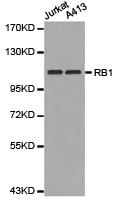
WB 1:500 - 1:2000
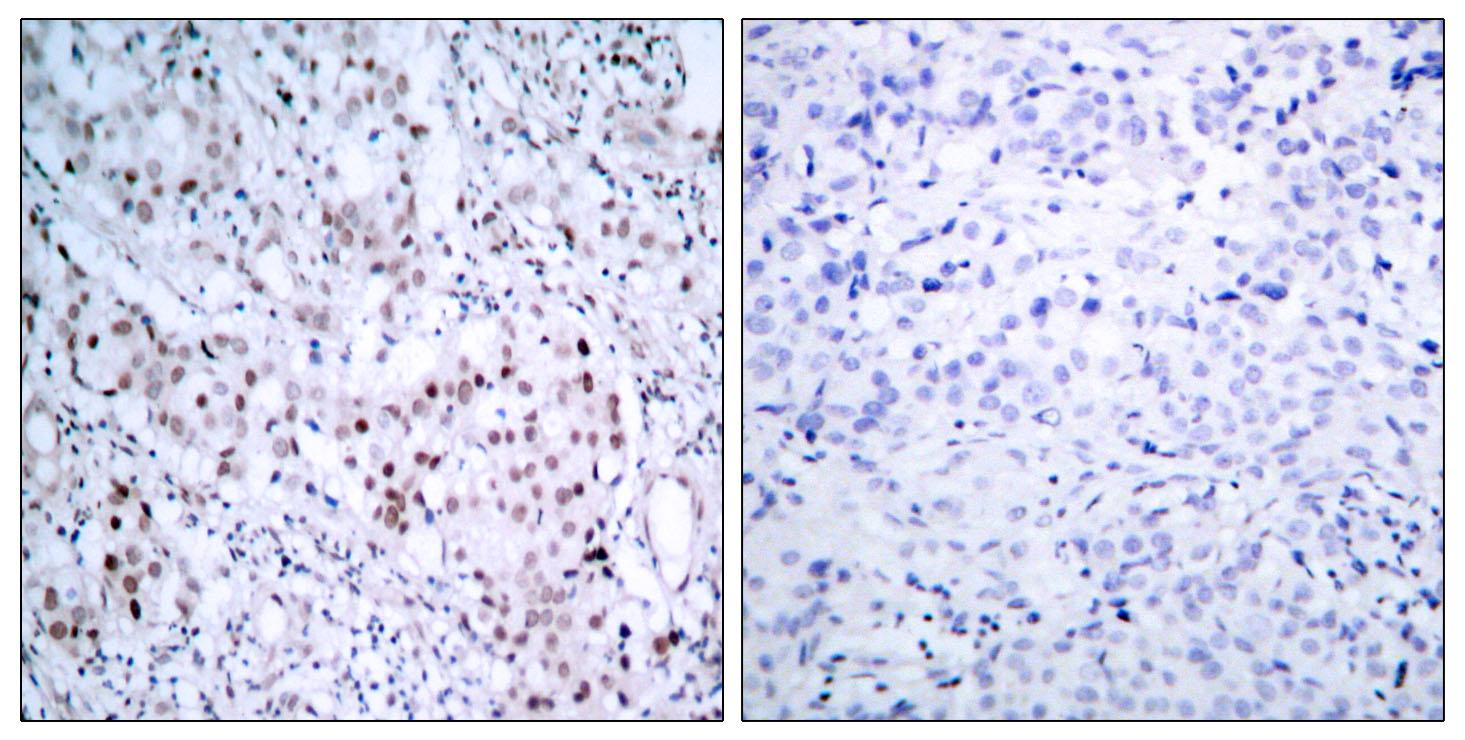
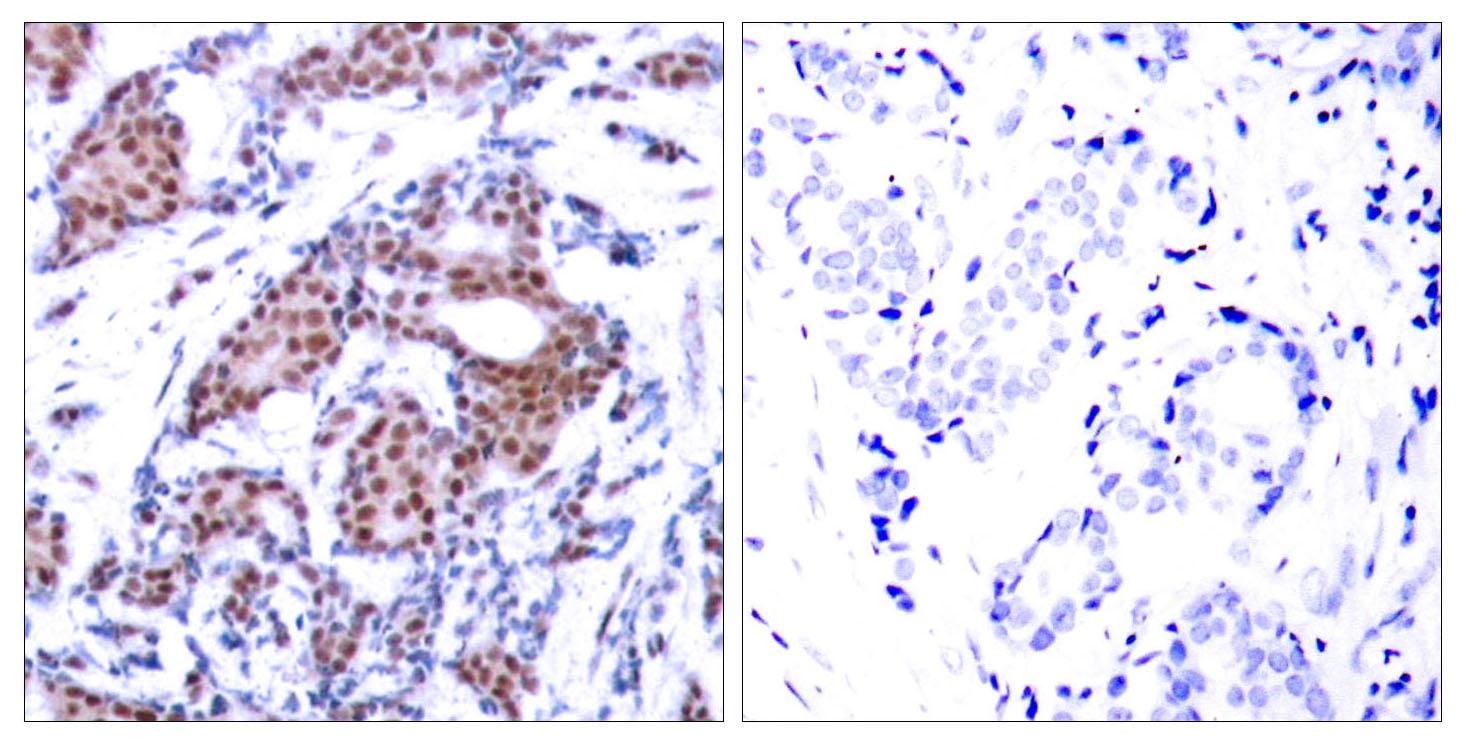
IHC 1:50 - 1:200
WB 1:500 - 1:2000
IHC 1:50 - 1:200

SPHKs regulate Western blot analysis of extracts of various cell S1P (1-4). Two lines, using SPHK1 antibody. characterized (7,8). The tyrosine kinases, The molecular are complex
Conjugated Antibody
This product is also available conjugated. Format: E90139-Conjugate. Price: $485 / Size: 100μl.
E90139-FITC$485 / 100μlE90139-Biotin$485 / 100μlE90139-HRP$485 / 100μlE90139-AP$485 / 100μlE90139-AF350$485 / 100μlE90139-AF405M$485 / 100μlE90139-AF488$485 / 100μlE90139-AF514$485 / 100μlE90139-AF532$485 / 100μlE90139-AF555$485 / 100μlE90139-AF568$485 / 100μlE90139-AF405S$485 / 100μlE90139-AF405L$485 / 100μlE90139-AF546$485 / 100μlE90139-AF594$485 / 100μlE90139-AF610$485 / 100μlE90139-AF635$485 / 100μlE90139-AF647$485 / 100μlE90139-AF680$485 / 100μlE90139-AF700$485 / 100μlE90139-AF750$485 / 100μlE90139-AF790$485 / 100μlE90139-APC$485 / 100μlE90139-PE$485 / 100μlE90139-Cy3$485 / 100μlE90139-Cy5$485 / 100μlE90139-Cy5.5$485 / 100μlE90139-Cy7$485 / 100μlE90139-PE-Cy5$485 / 100μl
Contact order@enogene.com to order conjugated formats. Magnetic Beads (1-30μm) conjugation is also available.


Categories by research area
Categories by product type
- Antibodies
- Primary Antibodies
- Tag antibodies
- Internal control antibodies
- Pathological (Immunohistochemistry, IHC) antibodies
- Cell Signal Transduction Research Antibodies
- Secondary Antibody
- Antibody Sampler Kits
- ELISA Kits
- Recombinant Proteins
- Fluorescence Reagents
- Signal Inhibitors and Activators
- Transfection Reagent
- Cell biology kits
- Overexpression Cell Lines
- Cell Lysates
- Purification Resins
- 2019-nCoV & Monkeypox