World supplier of antibodies, antigens and kits since 2007

Primary Antibodies
CAV1Polyclonal Antibody
$225/ 100ul
QuantityTotal: $225
Ship worldwide. Contact order@enogene.com for ordering and bulk pricing or contact your local distributor.
BackgroundThe 21-24 kDa integral proteins, caveolins, are the principal structural components of the cholesterol/sphingolipid-enriched plasma membrane microdomain caveolae. Three members of the caveolin family (caveolin-1, -2, and -3) have been identified with different tissue distributions. Caveolins form hetero- and homooligomers that interact with cholesterol and other lipids (1). Caveolins are involved in diverse biological functions, including vesicular trafficking, cholesterol homeostasis, cell adhesion, and apoptosis, and are also implicated in neurodegenerative disease (2). Caveolins interact with multiple signaling molecules, such as Gα subunit, tyrosine kinase receptors, PKCs, Src family tyrosine kinases, and eNOS (1,2). It is believed that caveolins serve as scaffolding proteins for the integration of signal transduction. Phosphorylation at Tyr14 is essential for caveolin association with SH2 or PTB domain-containing adaptor proteins, such as GRB7 (3-5). Phosphorylation at Ser80 regulates caveolin binding to the ER membrane and entry into the secretory pathway (6).
Product Information
SpeciesRabbit
IsotypeIgG
Molecular Weight22kDa
Storage/StabilityStore at -20oC or -80oC. Avoid freeze / thaw cycles. Buffer: PBS with 0.02% sodium azide, 50% glycerol, pH7.3.
All Names
AlternameCAV1;BSCL3;CAV;CGL3;MSTP085;VIP21 ;
ImmunogenFusion protein of human CAV1
PurificationAffinity purification
Gene ID857
References1. Okamoto, T. et al. (1998) J. Biol. Chem. 273, 5419-5422. 2. Smart, E. J. et al. (1999) Mol. Cell. Biol. 19, 7289-7304. 3. Nomura, R. et al. (1999) Mol. Biol. Cell 10, 975-986. 4. Volonte, D. et al. (2001) J. Biol. Chem. 276, 8094-8103. 5. Lee, H. et al. (2000) Mol. Endocrinol. 14, 1750-1775. 6. Schlegel, A. et al. (2001) J. Biol. Chem. 276, 4398-4408.
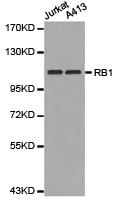
WB 1:500 - 1:1000
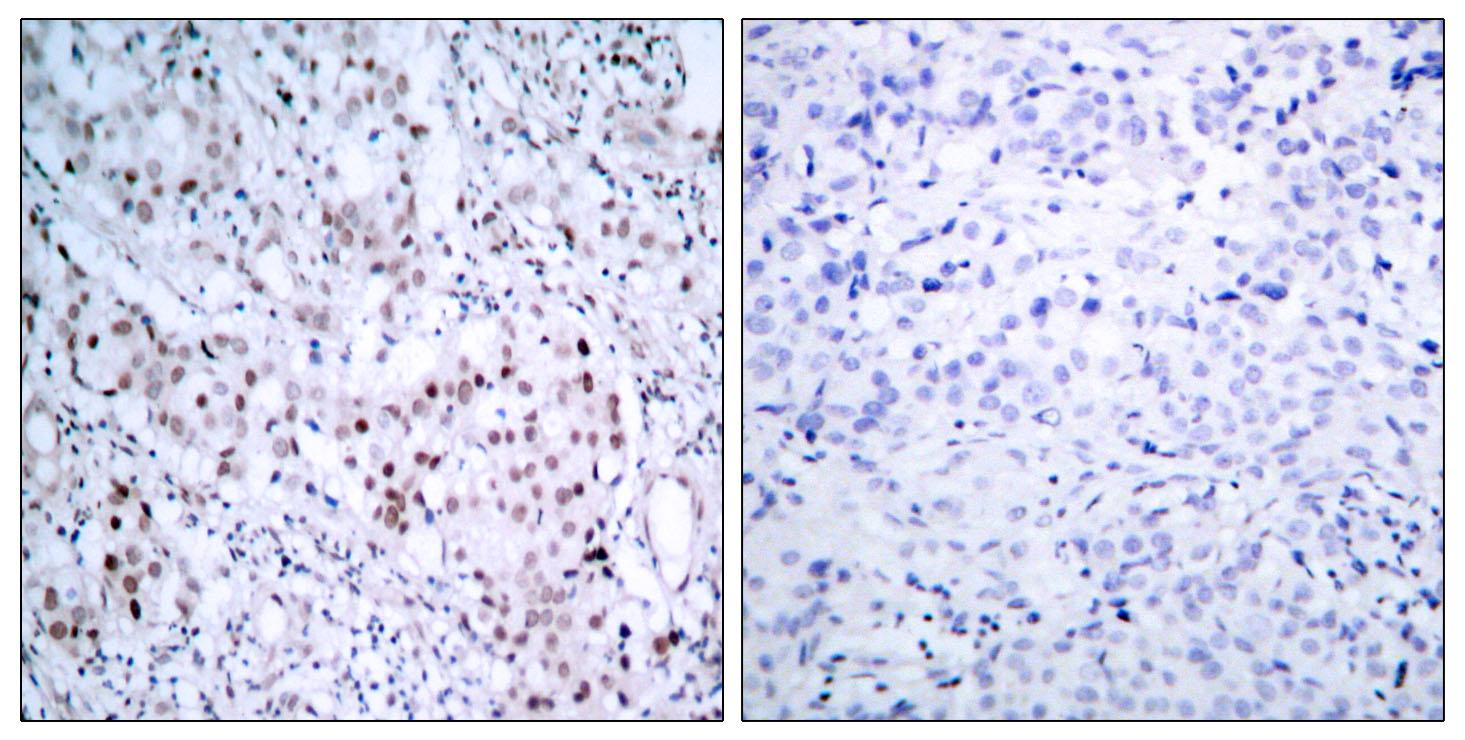
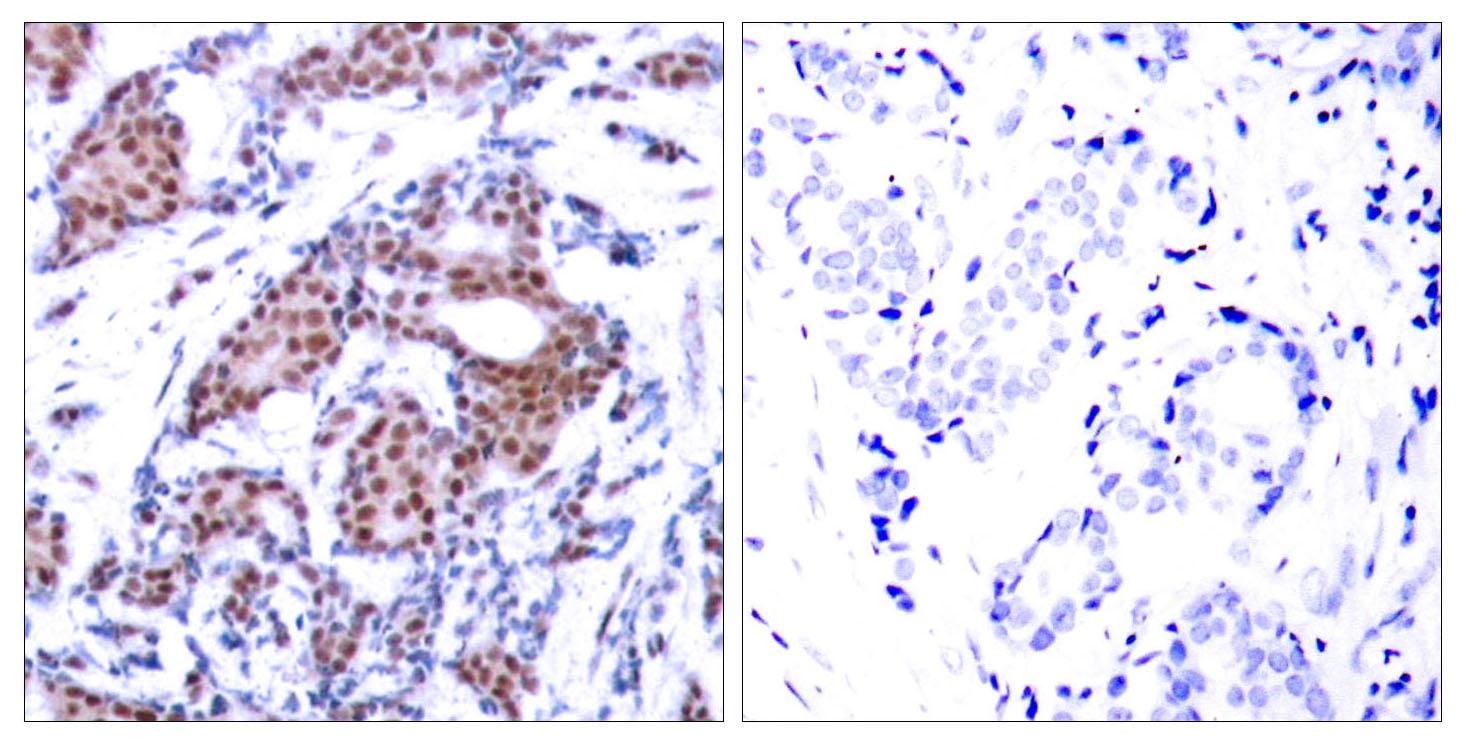
IHC 1:50 - 1:100
WB 1:500 - 1:1000
IHC 1:50 - 1:100

of Western blot analysis of extracts of caveolae. identified A549 cell using CAV1 antibody. that diverse cell (2). tyrosine believed
Conjugated Antibody
This product is also available conjugated. Format: E90059-Conjugate. Price: $485 / Size: 100μl.
E90059-FITC$485 / 100μlE90059-Biotin$485 / 100μlE90059-HRP$485 / 100μlE90059-AP$485 / 100μlE90059-AF350$485 / 100μlE90059-AF405M$485 / 100μlE90059-AF488$485 / 100μlE90059-AF514$485 / 100μlE90059-AF532$485 / 100μlE90059-AF555$485 / 100μlE90059-AF568$485 / 100μlE90059-AF405S$485 / 100μlE90059-AF405L$485 / 100μlE90059-AF546$485 / 100μlE90059-AF594$485 / 100μlE90059-AF610$485 / 100μlE90059-AF635$485 / 100μlE90059-AF647$485 / 100μlE90059-AF680$485 / 100μlE90059-AF700$485 / 100μlE90059-AF750$485 / 100μlE90059-AF790$485 / 100μlE90059-APC$485 / 100μlE90059-PE$485 / 100μlE90059-Cy3$485 / 100μlE90059-Cy5$485 / 100μlE90059-Cy5.5$485 / 100μlE90059-Cy7$485 / 100μlE90059-PE-Cy5$485 / 100μl
Contact order@enogene.com to order conjugated formats. Magnetic Beads (1-30μm) conjugation is also available.


Categories by research area
Categories by product type
- Antibodies
- Primary Antibodies
- Tag antibodies
- Internal control antibodies
- Pathological (Immunohistochemistry, IHC) antibodies
- Cell Signal Transduction Research Antibodies
- Secondary Antibody
- Antibody Sampler Kits
- ELISA Kits
- Recombinant Proteins
- Fluorescence Reagents
- Signal Inhibitors and Activators
- Transfection Reagent
- Cell biology kits
- Overexpression Cell Lines
- Cell Lysates
- Purification Resins
- 2019-nCoV & Monkeypox