World supplier of antibodies, antigens and kits since 2007

Primary Antibodies
LDH-A Antibody
$225/ 100ul
QuantityTotal: $225
Ship worldwide. Contact order@enogene.com for ordering and bulk pricing or contact your local distributor.
BackgroundLactate dehydrogenase (LDH) is an enzyme present in a wide variety of organisms, including plants and animals. It catalyses the interconversion of pyruvate and lactate with concomitant interconversion of NADH and NAD+. In medicine, LDH is often used as a marker of tissue breakdown as LDH is abundant in red blood cells and can function as a marker for hemolysis. In mammals, three types of LDH subunits (35 kDa) are encoded by the genes Ldh-A, Ldh-B, and Ldh-C. Lactate dehydrogenase B (LDH-B, heart subunit, LDH-H) is involved in the conversion of L-lactate and NAD to pryruvate and NADH and it is predominantly localized in the heart tissue. Similar to other LDH subunit, LDH-B is considered to be an important marker for germ cell tumor.
Storage/StabilityStore at +4°C after thawing. Aliquot store at -20°C or -80°C. Avoid repeated freeze / thaw cycles.
Form Or Antibody
Form of AntibodyLiquid
Product Information
Product TypeRabbit Polyclonal IgG
Molecular Weight37 kDa
Positive controlA549
Immunogen affinity purified
Specificty Sensitivity
Specificity/SensitivityThis antibody is produced by immunizing rabbits with a synthetic peptide (KLH-coupled) corresponding to near C-terminal residues of HSP60.
Cellular localizationCytoplasm
References1. Kopperschlager G et al. J Chromatogr B Biomed Appl. 684(1-2):25-49, 1996.
2. Li X et al. Biochem Biophys Res Commun. 320(3):625-634, 2004.
3. Kanno T et al. Clin Chim Acta. 173(1):89-98, 1998
2. Li X et al. Biochem Biophys Res Commun. 320(3):625-634, 2004.
3. Kanno T et al. Clin Chim Acta. 173(1):89-98, 1998
Price225$

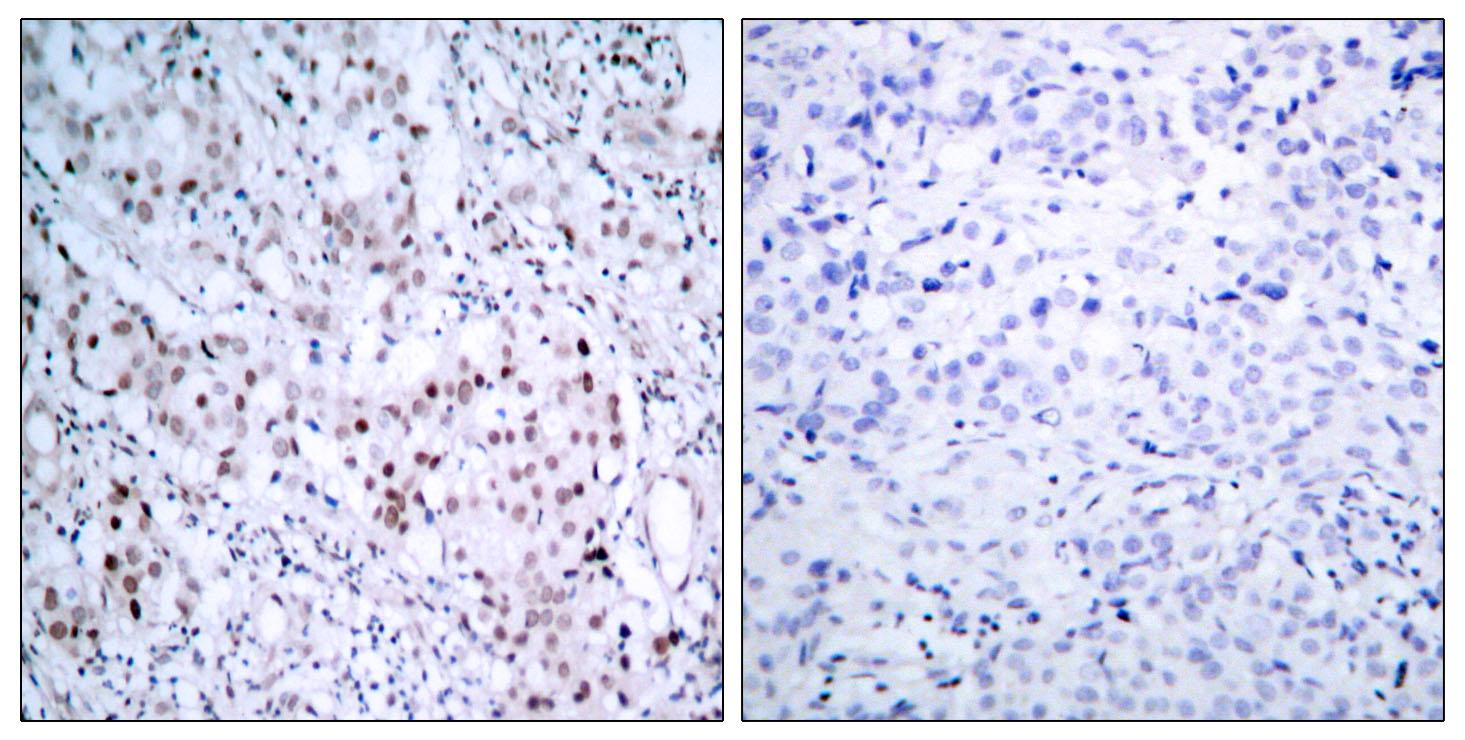
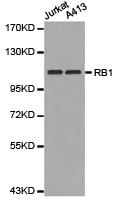
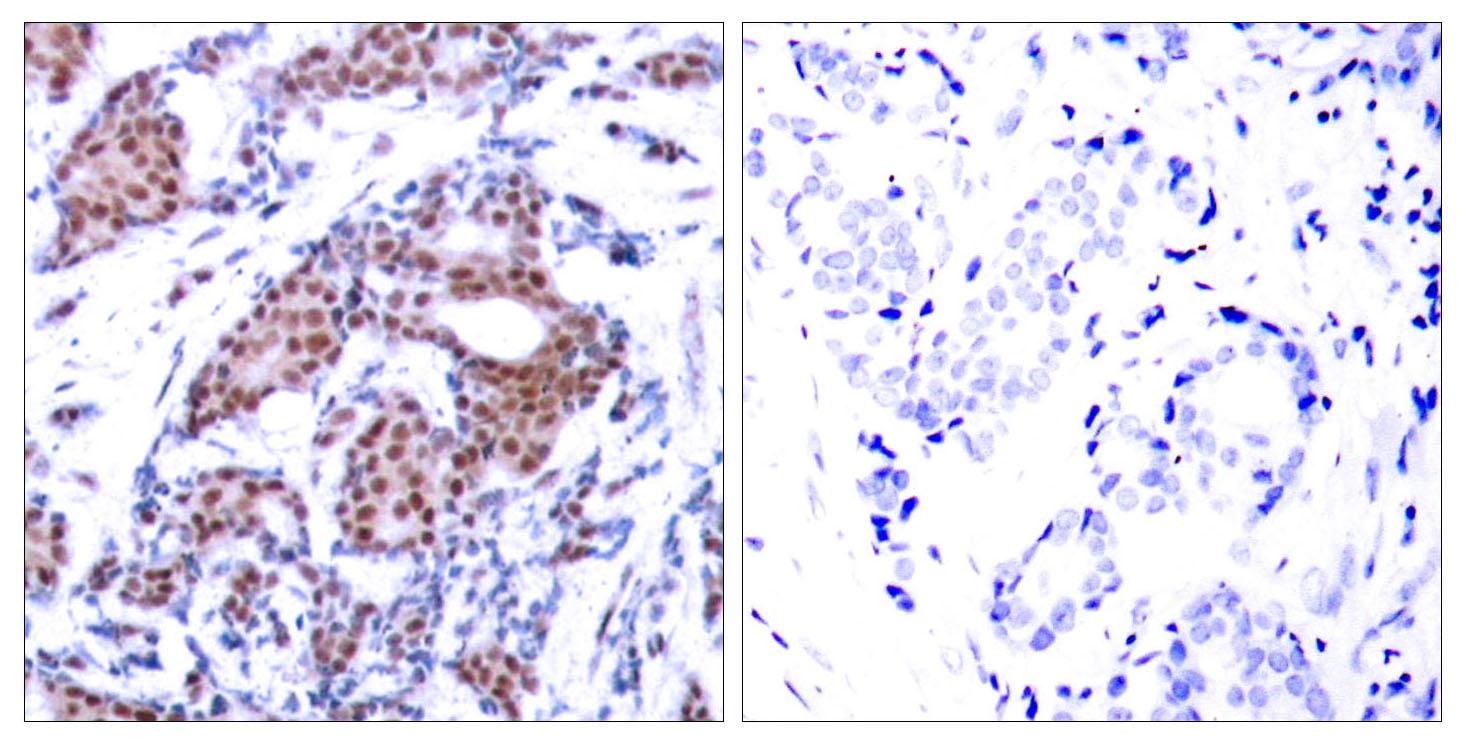
Fig: Western blot analysis on A549 cell lysates using anti-LDH-A polyclonal antibody
Conjugated Antibody
This product is also available conjugated. Format: E81007-2-Conjugate. Price: $485 / Size: 100μl.
E81007-2-FITC$485 / 100μlE81007-2-Biotin$485 / 100μlE81007-2-HRP$485 / 100μlE81007-2-AP$485 / 100μlE81007-2-AF350$485 / 100μlE81007-2-AF405M$485 / 100μlE81007-2-AF488$485 / 100μlE81007-2-AF514$485 / 100μlE81007-2-AF532$485 / 100μlE81007-2-AF555$485 / 100μlE81007-2-AF568$485 / 100μlE81007-2-AF405S$485 / 100μlE81007-2-AF405L$485 / 100μlE81007-2-AF546$485 / 100μlE81007-2-AF594$485 / 100μlE81007-2-AF610$485 / 100μlE81007-2-AF635$485 / 100μlE81007-2-AF647$485 / 100μlE81007-2-AF680$485 / 100μlE81007-2-AF700$485 / 100μlE81007-2-AF750$485 / 100μlE81007-2-AF790$485 / 100μlE81007-2-APC$485 / 100μlE81007-2-PE$485 / 100μlE81007-2-Cy3$485 / 100μlE81007-2-Cy5$485 / 100μlE81007-2-Cy5.5$485 / 100μlE81007-2-Cy7$485 / 100μlE81007-2-PE-Cy5$485 / 100μl
Contact order@enogene.com to order conjugated formats. Magnetic Beads (1-30μm) conjugation is also available.


Categories by research area
Categories by product type
- Antibodies
- Primary Antibodies
- Tag antibodies
- Internal control antibodies
- Pathological (Immunohistochemistry, IHC) antibodies
- Cell Signal Transduction Research Antibodies
- Secondary Antibody
- Antibody Sampler Kits
- ELISA Kits
- Recombinant Proteins
- Fluorescence Reagents
- Signal Inhibitors and Activators
- Transfection Reagent
- Cell biology kits
- Overexpression Cell Lines
- Cell Lysates
- Purification Resins
- 2019-nCoV & Monkeypox