World supplier of antibodies, antigens and kits since 2007

Primary Antibodies
Protocadherin Fat 1 Antibody
$225/ 100ul
QuantityTotal: $225
Ship worldwide. Contact order@enogene.com for ordering and bulk pricing or contact your local distributor.
BackgroundMammalian FAT1 is a large transmembrane protein of the protocadherin superfamily first identified in Drosophila melanogaster. FAT1 is widely expressed in mammalian tissues, and it is particularly enriched in kidney glomerular epithelial cells. Human Protocadherin Fat1 is a single-pass type I membrane protein, contains 4950 amino acids. It may play an important role in regulating growth and cell adhesion.
Form Or Antibody
Form of AntibodyLiquid
Product Information
Product TypeRabbit Polyclonal IgG, primary antibodies
Molecular Weight50kDa
Positive controlRecombinant protein
Immunogen affinity purified
Specificty Sensitivity
Specificity/SensitivityThis antibody is produced by immunizing rabbits with a synthetic peptide (KLH-coupled) corresponding to the residues of Fat1.
Cellular localizationCell membrane
References1. "Molecular cloning and tissue expression of FAT, the human homologue of the Drosophila fat gene that is located on chromosome 4q34-q35 and encodes a putative adhesion molecule."Dunne J., Hanby A.M., Poulsom R., Jones T.A., Sheer D., Chin W.G., Da S.M., Zhao Q., Beverley P.C.L., Owen M.J.Genomics 30:207-223(1995)
2. "Protocadherin FAT1 binds Ena/VASP proteins and is necessary for actin dynamics and cell polarization" Marcus J Moeller, Abdulsalam Soofi, Gerald S Braun1, Xiaodong Li, Carsten Watzl2, Wilhelm Kriz1 and Lawrence B Holzman. The EMBO Journal 23:3769-3779(2004)
2. "Protocadherin FAT1 binds Ena/VASP proteins and is necessary for actin dynamics and cell polarization" Marcus J Moeller, Abdulsalam Soofi, Gerald S Braun1, Xiaodong Li, Carsten Watzl2, Wilhelm Kriz1 and Lawrence B Holzman. The EMBO Journal 23:3769-3779(2004)
Price225$

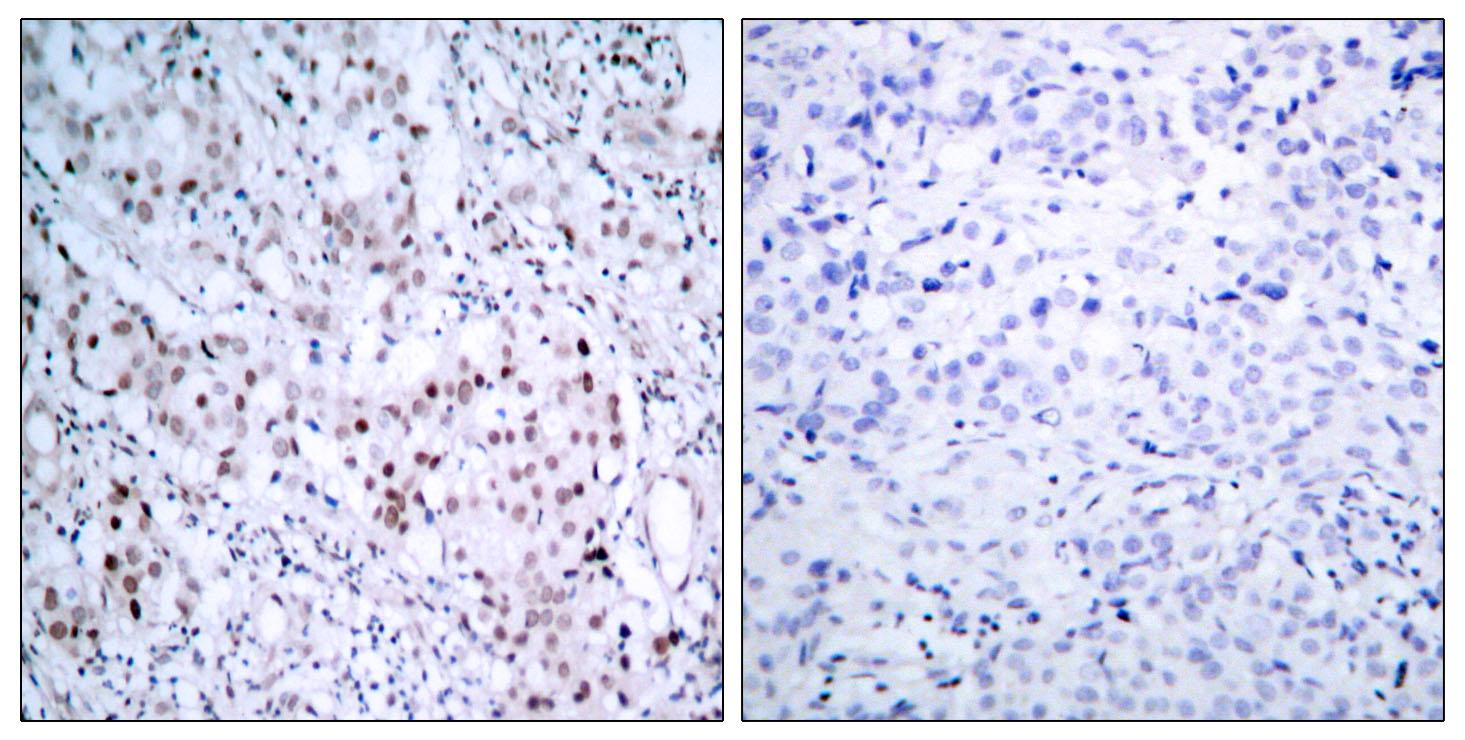
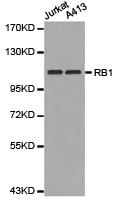
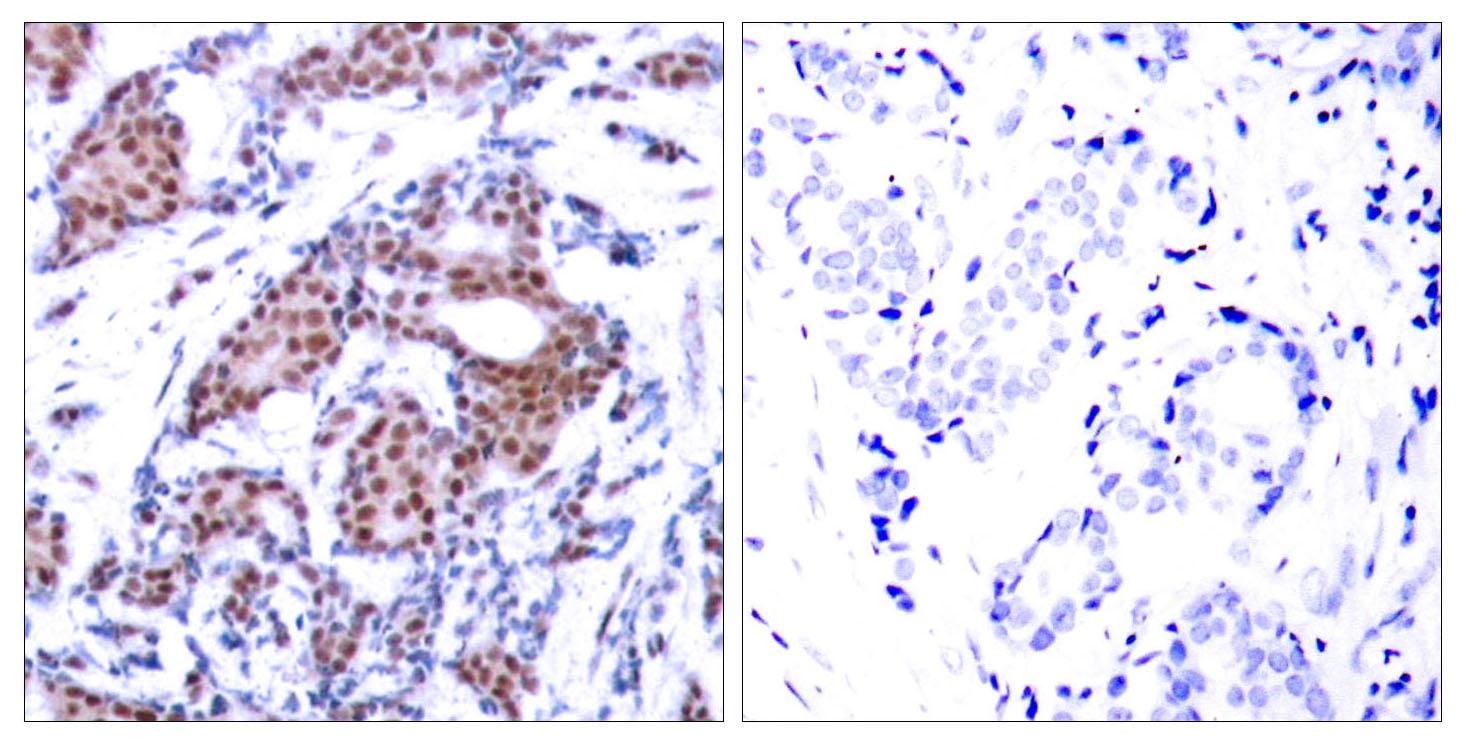
Fig1: Western blot analysis on Fat1 recombinant protein.
Conjugated Antibody
This product is also available conjugated. Format: E80905-4-Conjugate. Price: $485 / Size: 100μl.
E80905-4-FITC$485 / 100μlE80905-4-Biotin$485 / 100μlE80905-4-HRP$485 / 100μlE80905-4-AP$485 / 100μlE80905-4-AF350$485 / 100μlE80905-4-AF405M$485 / 100μlE80905-4-AF488$485 / 100μlE80905-4-AF514$485 / 100μlE80905-4-AF532$485 / 100μlE80905-4-AF555$485 / 100μlE80905-4-AF568$485 / 100μlE80905-4-AF405S$485 / 100μlE80905-4-AF405L$485 / 100μlE80905-4-AF546$485 / 100μlE80905-4-AF594$485 / 100μlE80905-4-AF610$485 / 100μlE80905-4-AF635$485 / 100μlE80905-4-AF647$485 / 100μlE80905-4-AF680$485 / 100μlE80905-4-AF700$485 / 100μlE80905-4-AF750$485 / 100μlE80905-4-AF790$485 / 100μlE80905-4-APC$485 / 100μlE80905-4-PE$485 / 100μlE80905-4-Cy3$485 / 100μlE80905-4-Cy5$485 / 100μlE80905-4-Cy5.5$485 / 100μlE80905-4-Cy7$485 / 100μlE80905-4-PE-Cy5$485 / 100μl
Contact order@enogene.com to order conjugated formats. Magnetic Beads (1-30μm) conjugation is also available.


Categories by research area
Categories by product type
- Antibodies
- Primary Antibodies
- Tag antibodies
- Internal control antibodies
- Pathological (Immunohistochemistry, IHC) antibodies
- Cell Signal Transduction Research Antibodies
- Secondary Antibody
- Antibody Sampler Kits
- ELISA Kits
- Recombinant Proteins
- Fluorescence Reagents
- Signal Inhibitors and Activators
- Transfection Reagent
- Cell biology kits
- Overexpression Cell Lines
- Cell Lysates
- Purification Resins
- 2019-nCoV & Monkeypox