
You are here: EnoGene Home > Products > Pathological (Immunohistochemistry, IHC) antibodies > ARRB1(beta Arrestin 1,ARRB1) Antibody
ARRB1(beta Arrestin 1,ARRB1) Antibody
Datasheet
Catalog Number:
E2200596Amount:
100ulSource:
MouseForm of Antibody:
Purified mouse monoclonal in buffer containing 0.1M Tris-Glycine (pH 7.4, 150 mM NaCl) with 0.2% sodium azide, 50%,glycerolSpecificity/Sensitivity:
This antibody detects endogenous levels of ARRB1 and does not cross-react with related proteins.Entrez summary:
Members of arrestin/beta-arrestin protein family are thought to participate in agonist-mediated desensitization of G-protein-coupled receptors and cause specific dampening of cellular responses to stimuli such as hormones, neurotransmitters, or sensory signals. Arrestin beta 1 is a cytosolic protein and acts as a cofactor in the beta-adrenergic receptor kinase (BARK) mediated desensitization of beta-adrenergic receptors. Besides the central nervous system, it is expressed at high levels in peripheral blood leukocytes, and thus the BARK/beta-arrestin system is believed to play a major role in regulating receptor-mediated immune functions. Alternatively spliced transcripts encoding different isoforms of arrestin beta 1 have been described. [provided by RefSeq, Jan 2011]UniPort summary Function:
Functions in regulating agonist-mediated G-protein coupled receptor (GPCR) signaling by mediating both receptor desensitization and resensitization processes. During homologous desensitization, beta-arrestins bind to the GPRK-phosphorylated receptor and sterically preclude its coupling to the cognate G-protein; the binding appears to require additional receptor determinants exposed only in the active receptor conformation. The beta-arrestins target many receptors for internalization by acting as endocytic adapters (CLASPs, clathrin-associated sorting proteins) and recruiting the GPRCs to the adapter protein 2 complex 2 (AP-2) in clathrin-coated pits (CCPs). However, the extent of beta-arrestin involvement appears to vary significantly depending on the receptor, agonist and cell type. Internalized arrestin-receptor complexes traffic to intracellular endosomes, where they remain uncoupled from G-proteins. Two different modes of arrestin-mediated internalization occur. Class A receptors, like ADRB2, OPRM1, ENDRA, D1AR and ADRA1B dissociate from beta-arrestin at or near the plasma membrane and undergo rapid recycling. Class B receptors, like AVPR2, AGTR1, NTSR1, TRHR and TACR1 internalize as a complex with arrestin and traffic with it to endosomal vesicles, presumably as desensitized receptors, for extended periods of time. Receptor resensitization then requires that receptor-bound arrestin is removed so that the receptor can be dephosphorylated and returned to the plasma membrane. Involved in internalization of P2RY4 and UTP-stimulated internalization of P2RY2. Involved in phopshorylation-dependent internalization of OPRD1 ands subsequent recycling. Involved in the degradation of cAMP by recruiting cAMP phosphodiesterases to ligand-activated receptors. Beta-arrestins function as multivalent adapter proteins that can switch the GPCR from a G-protein signaling mode that transmits short-lived signals from the plasma membrane via small molecule second messengers and ion channels to a beta-arrestin signaling mode that transmits a distinct set of signals that are initiated as the receptor internalizes and transits the intracellular compartment. Acts as signaling scaffold for MAPK pathways such as MAPK1/3 (ERK1/2). ERK1/2 activated by the beta-arrestin scaffold is largely excluded from the nucleus and confined to cytoplasmic locations such as endocytic vesicles, also called beta-arrestin signalosomes. Recruits c-Src/SRC to ADRB2 resulting in ERK activation. GPCRs for which the beta-arrestin-mediated signaling relies on both ARRB1 and ARRB2 (codependent regulation) include ADRB2, F2RL1 and PTH1R. For some GPCRs the beta-arrestin-mediated signaling relies on either ARRB1 or ARRB2 and is inhibited by the other respective beta-arrestin form (reciprocal regulation). Inhibits ERK1/2 signaling in AGTR1- and AVPR2-mediated activation (reciprocal regulation). Involved in AGTR1-mediated stress fiber formation by acting together with GNAQ to activate RHOA. Appears to function as signaling scaffold involved in regulation of MIP-1-beta-stimulated CCR5-dependent chemotaxis. Involved in attenuation of NF-kappa-B-dependent transcription in response to GPCR or cytokine stimulation by interacting with and stabilizing CHUK. May serve as nuclear messenger for GPCRs.Immunogen:
Purified recombinant human ARRB1 protein fragments expressed in E.coli.Antibody type:
Monoclonal antibodyIsotype:
IgG1Purification:
Affinity purifiedCellular localization:
Cytoplasm. Nucleus. Cell membrane. MembraneReactivity:
R,MApplications:
WBMolecular Weight:
47kDaUniProt Number:
P49407Gene ID:
NM_004041Gene symbol:
ARB1; ARR1Altername:
beta-arrestin-1 arrestin 2
- Western blot detection of ARRB1 in PC12,Mouse brain&Raw264.7 cell lysates and using ARRB1 antibody (1:1000 diluted). Predicted band size: 47KDa Observed band size: 47KDa.
Price:
255$Research Area:
Autophagy antibody Cancer Cardiovascular Cell Biology Epigenetics & Nuclear Signaling Developmental Biologys Immunology Drug Discovery Products Metabolism Neuroscience Signal Transduction Stem CellsStorage/Stability:
Aliquot and store at -20°C. Avoid repeated freeze / thaw cycles.

Related Products
- c-Jun (Phospho-Ser63) Antibody Datasheet COA
Catalog Number:
E011001-1Amount:
50μg/50μlReactivity:
Human, MouseApplications:
WB: 1:500~1:1000 IHC: 1:50~1:100Swiss-Prot No.:
P05412Price:
145$
- c-Jun (Phospho-Ser63) Antibody Datasheet
Catalog Number:
E011001-2Amount:
100μg/100μlReactivity:
Human, MouseApplications:
WB: 1:500~1:1000 IHC: 1:50~1:100Swiss-Prot No.:
P05412Price:
225$
- Rb Polyclonal Antibody Datasheet
Catalog Number:
E90003Amount:
100ulReactivity:
H MApplications:
WB IHCSwiss-Prot No.:
P06400Price:
225$
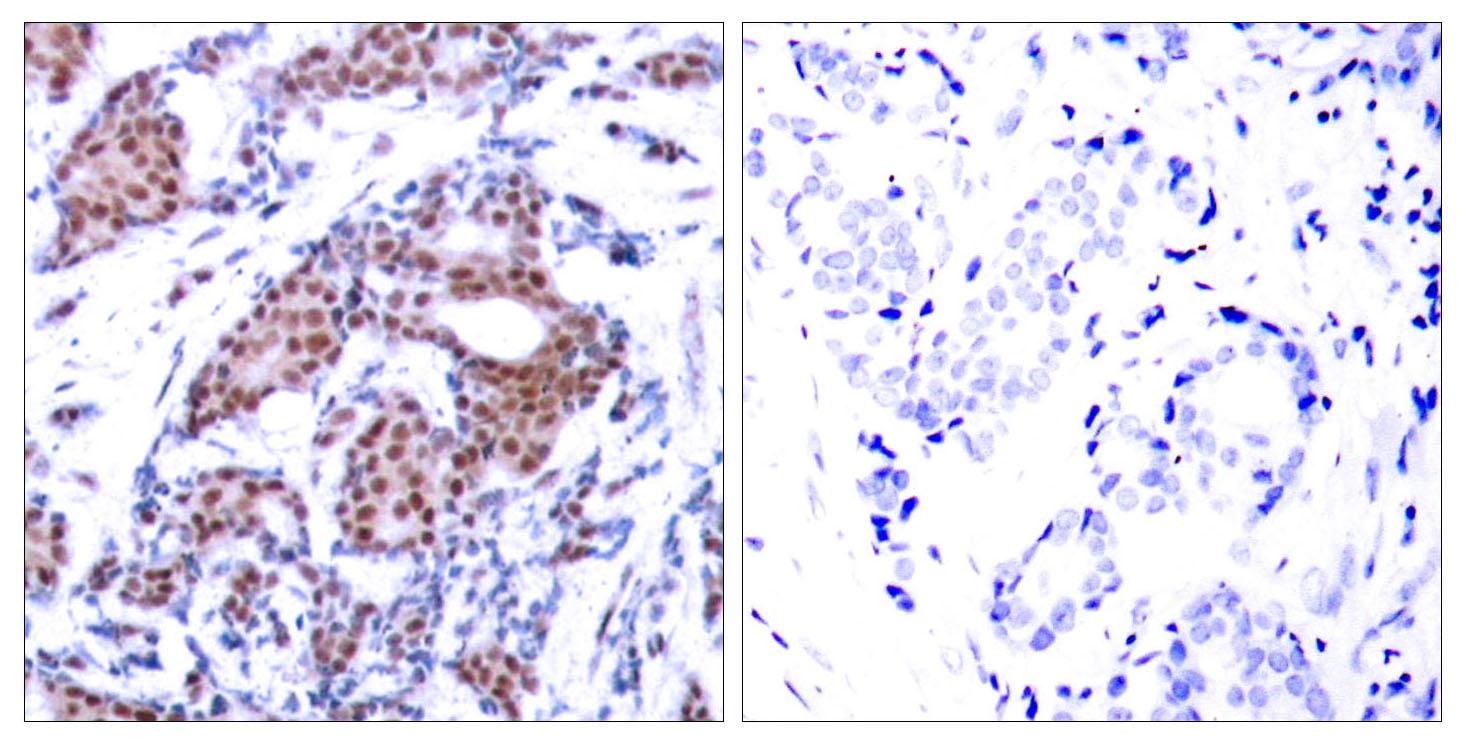
- Elk-1 (Phospho-Ser383) Antibody Datasheet
Catalog Number:
E011004-1Amount:
50μg/50μlReactivity:
Human, Mouse, RatApplications:
WB: 1:500~1:1000 IHC: 1:50~1:100Swiss-Prot No.:
P19419Price:
145$
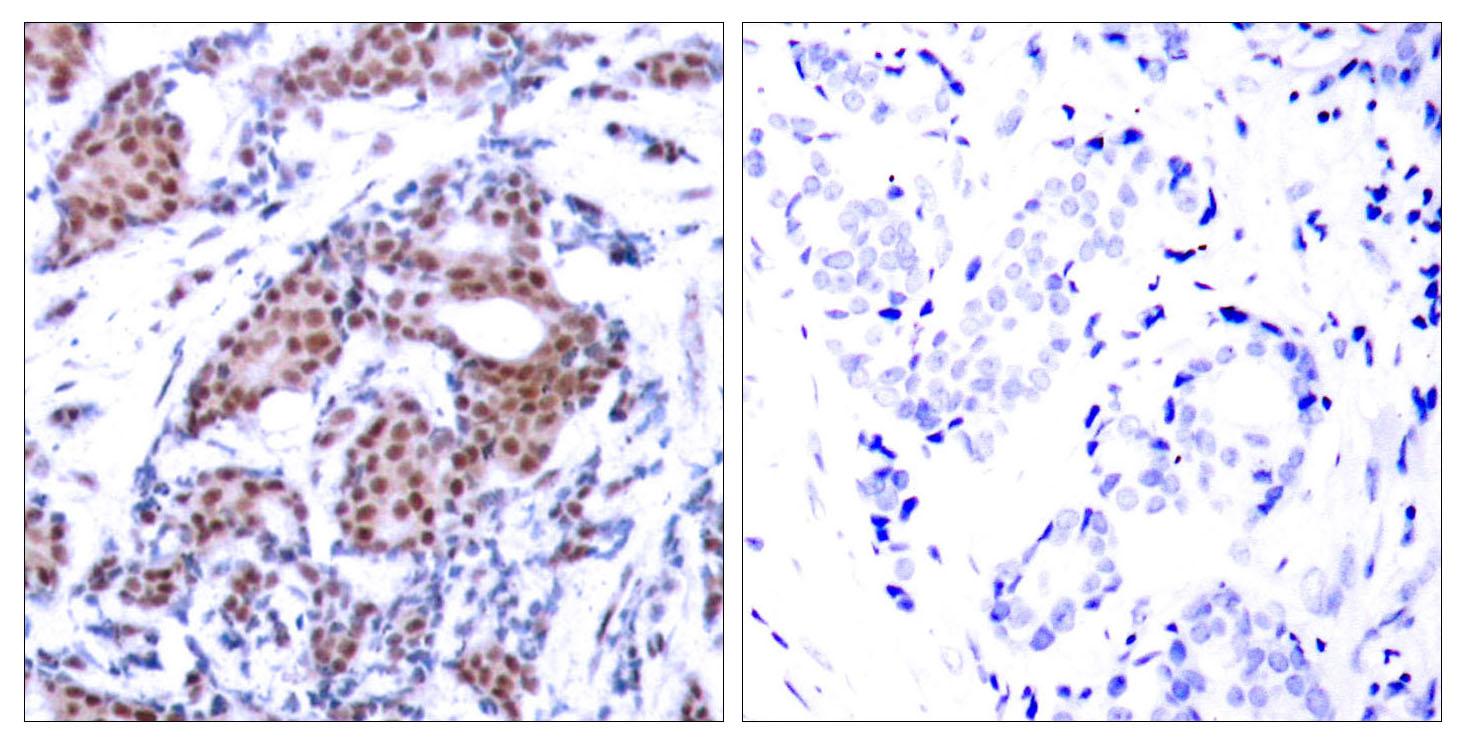
- Elk-1 (Phospho-Ser383) Antibody Datasheet
Catalog Number:
E011004-2Amount:
100μg/100μlReactivity:
Human, Mouse, RatApplications:
WB: 1:500~1:1000 IHC: 1:50~1:100Swiss-Prot No.:
P19419Price:
225$
Catalog Number
- Amount:100ul
- Price:255$

Contact us
Categories by research area
Categories by product type
- Antibodies
- Tag antibodies
- Internal control antibodies
- Pathological (Immunohistochemistry, IHC) antibodies
- Cell Signal Transduction Research Antibodies
- Secondary Antibody
- Antibody Sampler Kits
- Recombinant Proteins
- Fluorescence Reagents
- Signal Inhibitors and Activators
- Transfection Reagent
- Cell biology kits