World supplier of antibodies, antigens and kits since 2007

Primary Antibodies
Elongation factor 2 (4B3) Mouse mAb
$255/ 100ul
QuantityTotal: $255
Ship worldwide. Contact order@enogene.com for ordering and bulk pricing or contact your local distributor.
Form Or Antibody
Form of AntibodyLiquid in PBS containing 50% glycerol, 0.5% BSA and 0.02% sodium azide, pH 7.3.
Specificty Sensitivity
Specificity/SensitivityThis antibody detects endogenous levels of EEF2 and does not cross-react with related proteins.
Product Information
Entrez summaryThis gene encodes a member of the GTP-binding translation elongation factor family. This protein is an essential factor for protein synthesis. It promotes the GTP-dependent translocation of the nascent protein chain from the A-site to the P-site of the ribosome. This protein is completely inactivated by EF-2 kinase phosporylation.
UniPort summary FunctionCatalyzes the GTP-dependent ribosomal translocation step during translation elongation. During this step, the ribosome changes from the pre-translocational (PRE) to the post-translocational (POST) state as the newly formed A-site-bound peptidyl-tRNA and P-site-bound deacylated tRNA move to the P and E sites, respectively. Catalyzes the coordinated movement of the two tRNA molecules, the mRNA and conformational changes in the ribosome.
IsotypeIgG2b
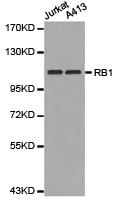
Molecular WeightCalculated MW: 95 kDa; Observed MW: 95 kDa
UniProt NumberP13639
Gene symbolEF2; EF-2; EEF-2
Product TypePrimary Antibody
Clone Number4B3-G7-H5
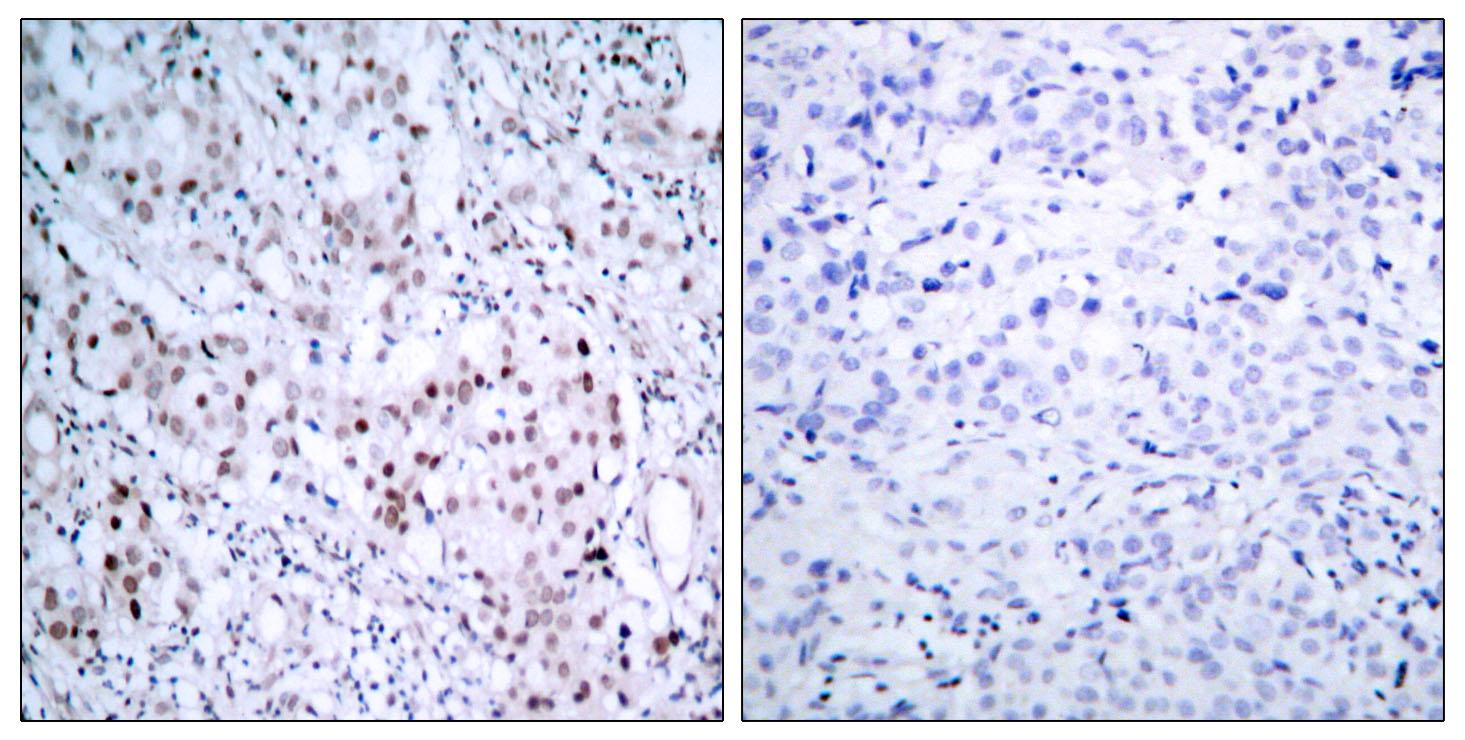
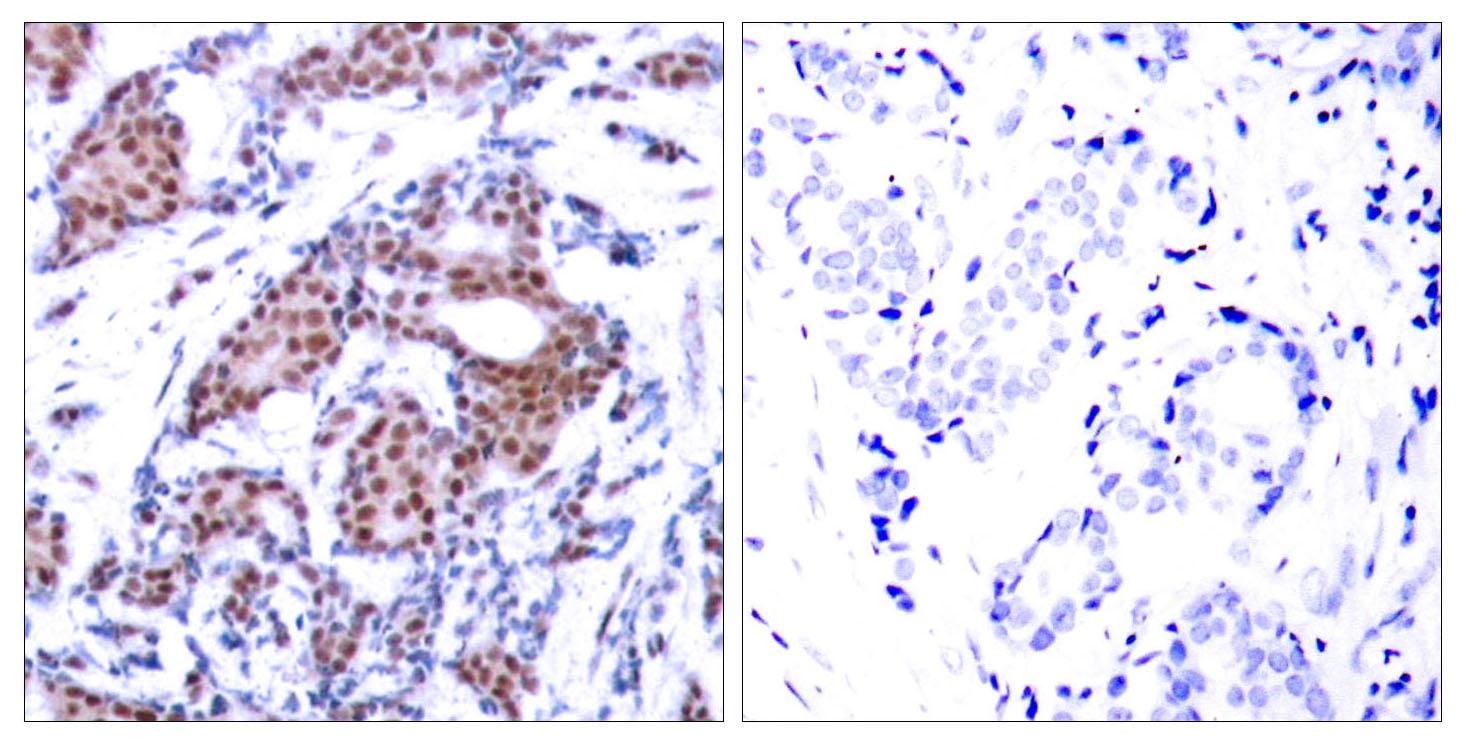
Recommended DilutionsWB: 1/500-1/1000 IF: 1/50-1/200 ChIP: 1/20
ImmunogenPurified recombinant human eEF2 protein fragments expressed in E.coli.
Antibody typeMonoclonal Antibody
PurificationAffinity Purified
Cellular localizationCytoplasm
Gene ID1938
All Names
AlternameEEF2; EF2; Elongation factor 2; EF-2
Price255$
Research AreaAutophagy antibody Cancer Cardiovascular Cell Biology Epigenetics & Nuclear Signaling Developmental Biologys Immunology Drug Discovery Products Metabolism Neuroscience Signal Transduction Stem Cells
BackgroundCatalyzes the GTP-dependent ribosomal translocation step during translation elongation. During this step, the ribosome changes from the pre-translocational (PRE) to the post-translocational (POST) state as the newly formed A-site-bound peptidyl-tRNA and P-site-bound deacylated tRNA move to the P and E sites, respectively.
Gene NameEEF2
Storage/StabilityStore at 4°C short term. Aliquot and store at -20°C long term. Avoid freeze/thaw cycles.
Conjugated Antibody
This product is also available conjugated. Format: E2200559-Conjugate. Price: $485 / Size: 100μl.
E2200559-FITC$485 / 100μlE2200559-Biotin$485 / 100μlE2200559-HRP$485 / 100μlE2200559-AP$485 / 100μlE2200559-AF350$485 / 100μlE2200559-AF405M$485 / 100μlE2200559-AF488$485 / 100μlE2200559-AF514$485 / 100μlE2200559-AF532$485 / 100μlE2200559-AF555$485 / 100μlE2200559-AF568$485 / 100μlE2200559-AF405S$485 / 100μlE2200559-AF405L$485 / 100μlE2200559-AF546$485 / 100μlE2200559-AF594$485 / 100μlE2200559-AF610$485 / 100μlE2200559-AF635$485 / 100μlE2200559-AF647$485 / 100μlE2200559-AF680$485 / 100μlE2200559-AF700$485 / 100μlE2200559-AF750$485 / 100μlE2200559-AF790$485 / 100μlE2200559-APC$485 / 100μlE2200559-PE$485 / 100μlE2200559-Cy3$485 / 100μlE2200559-Cy5$485 / 100μlE2200559-Cy5.5$485 / 100μlE2200559-Cy7$485 / 100μlE2200559-PE-Cy5$485 / 100μl
Contact order@enogene.com to order conjugated formats. Magnetic Beads (1-30μm) conjugation is also available.


Categories by research area
Categories by product type
- Antibodies
- Primary Antibodies
- Tag antibodies
- Internal control antibodies
- Pathological (Immunohistochemistry, IHC) antibodies
- Cell Signal Transduction Research Antibodies
- Secondary Antibody
- Antibody Sampler Kits
- ELISA Kits
- Recombinant Proteins
- Fluorescence Reagents
- Signal Inhibitors and Activators
- Transfection Reagent
- Cell biology kits
- Overexpression Cell Lines
- Cell Lysates
- Purification Resins
- 2019-nCoV & Monkeypox