
You are here: EnoGene Home > Products > Pathological (Immunohistochemistry, IHC) antibodies > PP1C alpha (1H1) Mouse mAb
PP1C alpha (1H1) Mouse mAb
Datasheet
Catalog Number:
E2200453Amount:
100ulSource:
MouseForm of Antibody:
Liquid in PBS containing 50% glycerol, 0.5% BSA and 0.02% sodium azide, pH 7.3.Specificity/Sensitivity:
This antibody detects endogenous levels PP1A (N-terminus) and does not cross-react with related proteins.Entrez summary:
The protein encoded by this gene is one of the three catalytic subunits of protein phosphatase 1 (PP1). PP1 is a serine/threonine specific protein phosphatase known to be involved in the regulation of a variety of cellular processes, such as cell division, glycogen metabolism, muscle contractility, protein synthesis, and HIV-1 viral transcription. Increased PP1 activity has been observed in the end stage of heart failure. Studies in both human and mice suggest that PP1 is an important regulator of cardiac function. Mouse studies also suggest that PP1 functions as a suppressor of learning and memory. Three alternatively spliced transcript variants encoding different isoforms have been found for this gene.UniPort summary Function:
Protein phosphatase 1 (PP1) is essential for cell division, and participates in the regulation of glycogen metabolism, muscle contractility and protein synthesis. Involved in regulation of ionic conductances and long-term synaptic plasticity. May play an important role in dephosphorylating substrates such as the postsynaptic density-associated Ca(2+)/calmodulin dependent protein kinase II. Component of the PTW/PP1 phosphatase complex, which plays a role. in the control of chromatin structure and cell cycle progression during the transition from mitosis into interphase.Immunogen:
Purified recombinant human PPP1A protein fragments expressed in E.coli.Antibody type:
Monoclonal AntibodyIsotype:
IgG1Purification:
Affinity PurifiedCellular localization:
Cytoplasm. NucleusReactivity:
HumanApplications:
WB,ICC/IFMolecular Weight:
Calculated MW: 38 kDa; Observed MW: 38 kDaUniProt Number:
P62136Gene ID:
5499Gene symbol:
PP-1A; PPP1A; PP1alphaAltername:
Alpha isoform serine threonine protein phosphatase PP1alpha 1 catalytic subunit; Catalytic subunit; PP1A; PP1A_HUMAN; PP1alpha; PP2C ALPHA; PP2CA; Ppp1ca; Protein Phosphatase 2C Alpha Isoform; Serine threonine protein phosphatase PP1 alpha catalytic subunit; Serine threonine protein phosphatase PP1 alpha catalytic subunit protein phosphatase 1; Serine/threonine-protein phosphatase PP1-alpha catalytic subunit.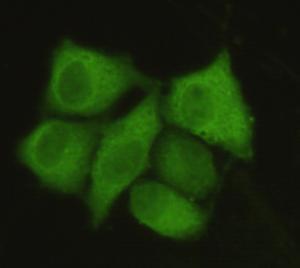
- WesWestern blot analysis of PPP1A in HepG2, MCF-7 and Hela lysates using PPP1A antibody.
Price:
255$Research Area:
Autophagy antibody Cancer Cardiovascular Cell Biology Epigenetics & Nuclear Signaling Developmental Biologys Immunology Drug Discovery Products Metabolism Neuroscience Signal Transduction Stem CellsProduct Type:
Primary AntibodyBackground:
Protein phosphatase that associates with over 200 regulatory proteins to form highly specific holoenzymes which dephosphorylate hundreds of biological targets. Protein phosphatase 1 (PP1) is essential for cell division, and participates in the regulation of glycogen metabolism, muscle contractility and protein synthesis. Involved in regulation of ionic conductances and long-term synaptic plasticity. May play an important role in dephosphorylating substrates such as the postsynaptic density-associated Ca2+/calmodulin dependent protein kinase II. Component of the PTW/PP1 phosphatase complex, which plays a role in the control of chromatin structure and cell cycle progression during the transition from mitosis into interphase. Regulates NEK2 function in terms of kinase activity and centrosome number and splitting, both in the presence and absence of radiation-induced DNA damage. Regulator of neural tube and optic fissure closure, and enteric neural crest cell (ENCCs) migration during development. In balance with CSNK1D and CSNK1E, determines the circadian period length, through the regulation of the speed and rhythmicity of PER1 and PER2 phosphorylation. May dephosphorylate CSNK1D and CSNK1E. Dephosphorylates the 'Ser-418' residue of FOXP3 in regulatory T-cells (Treg) from patients with rheumatoid arthritis, thereby inactivating FOXP3 and rendering Treg cells functionally defective (PubMed:23396208). Dephosphorylates CENPA (PubMed:25556658). Dephosphorylates the 'Ser-139' residue of ATG16L1 causing dissociation of ATG12-ATG5-ATG16L1 complex, thereby inhibiting autophagy (PubMed:26083323).Clone Number:
1H1-F7-D8Gene Name:
PPP1CARecommended Dilutions:
WB: 1/500-1/1000 IF: 1/50-1/200Swiss-Prot No.:
P62136Storage/Stability:
Store at 4°C short term. Aliquot and store at -20°C long term. Avoid freeze/thaw cycles.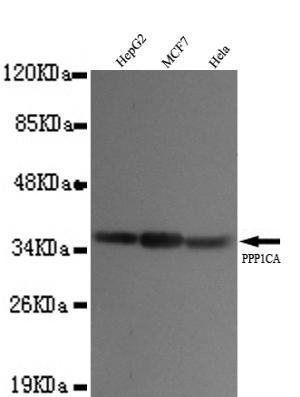 Western blot detection of PP1A(N-terminus) antibody in HepG2,MCF7&Hela cell lysates using PP1A(N-terminus) antibody (1:1000 diluted). Predicted band size:37KDa. Observed band size:37KDa.

Related Products
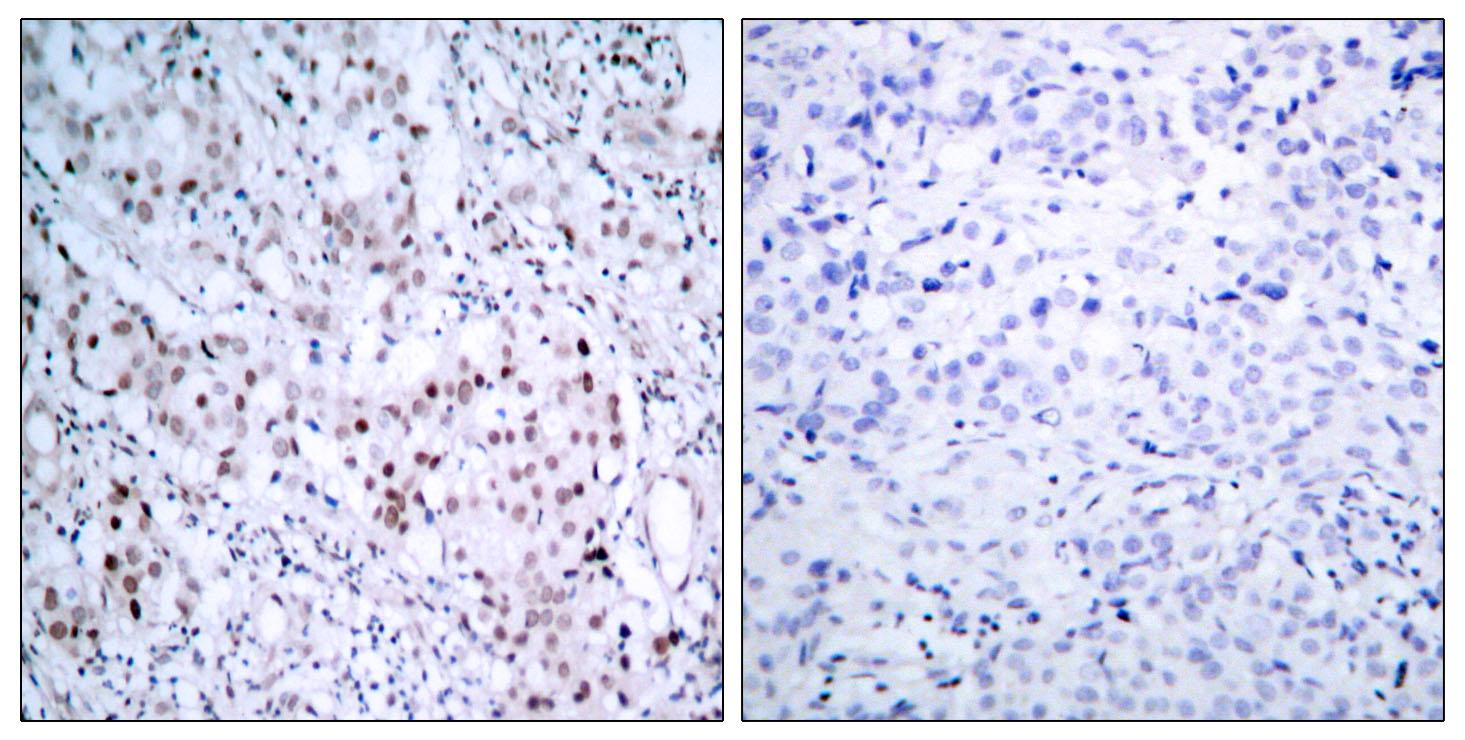
- c-Jun (Phospho-Ser63) Antibody Datasheet COA
Catalog Number:
E011001-1Amount:
50μg/50μlReactivity:
Human, MouseApplications:
WB: 1:500~1:1000 IHC: 1:50~1:100Swiss-Prot No.:
P05412Price:
145$
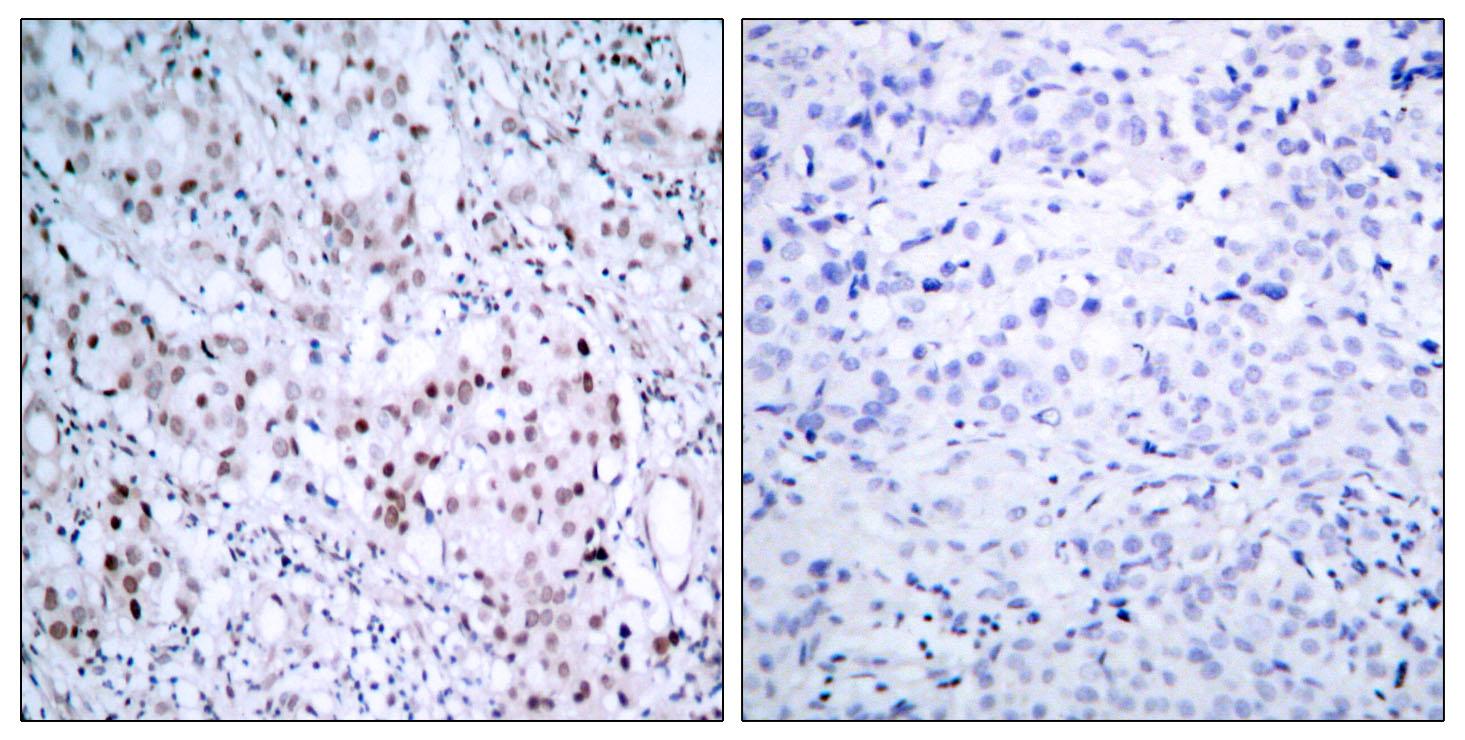
- c-Jun (Phospho-Ser63) Antibody Datasheet
Catalog Number:
E011001-2Amount:
100μg/100μlReactivity:
Human, MouseApplications:
WB: 1:500~1:1000 IHC: 1:50~1:100Swiss-Prot No.:
P05412Price:
225$
- Rb Polyclonal Antibody Datasheet
Catalog Number:
E90003Amount:
100ulReactivity:
H MApplications:
WB IHCSwiss-Prot No.:
P06400Price:
225$
- Elk-1 (Phospho-Ser383) Antibody Datasheet
Catalog Number:
E011004-1Amount:
50μg/50μlReactivity:
Human, Mouse, RatApplications:
WB: 1:500~1:1000 IHC: 1:50~1:100Swiss-Prot No.:
P19419Price:
145$
- Elk-1 (Phospho-Ser383) Antibody Datasheet
Catalog Number:
E011004-2Amount:
100μg/100μlReactivity:
Human, Mouse, RatApplications:
WB: 1:500~1:1000 IHC: 1:50~1:100Swiss-Prot No.:
P19419Price:
225$
Catalog Number
- Amount:100ul
- Price:255$

Contact us
Categories by research area
Categories by product type
- Antibodies
- Tag antibodies
- Internal control antibodies
- Pathological (Immunohistochemistry, IHC) antibodies
- Cell Signal Transduction Research Antibodies
- Secondary Antibody
- Antibody Sampler Kits
- Recombinant Proteins
- Fluorescence Reagents
- Signal Inhibitors and Activators
- Transfection Reagent
- Cell biology kits