World supplier of antibodies, antigens and kits since 2007

Primary Antibodies
AKR1C3 Antibody
$225/ 100μg
QuantityTotal: $225
Ship worldwide. Contact order@enogene.com for ordering and bulk pricing or contact your local distributor.
Other Names 17-beta-HSD 5; 17-beta-hydroxysteroid dehydrogenase type 5; 3-alpha-HSD type 2; 3-alpha-HSD type II, brain; 3-alpha-hydroxysteroid dehydrogenase type 2; AK1C3; AKC1H; aldo-keto reductase family 1 member C3; aldo-keto reductase family 1, member C3; aldo-keto reductase family 1, member C3 (3-alpha hydroxysteroid dehydrogenase, type II); chlordecone reductase homolog; chlordecone reductase homolog HAKRb; DD-3; DD3; DDH1; dihydrodiol dehydrogenase 3; dihydrodiol dehydrogenase type I; EC 1.-.-.-; EC 1.1.-.-; EC 1.1.1.149; EC 1.1.1.188; EC 1.1.1.213; EC 1.1.1.62; EC 1.1.1.63; EC 1.1.1.64; EC 1.3.1.20; estradiol 17-beta-dehydrogenase; HA1753; HAKRB; HAKRe; hluPGFS; HSD17B5; hydroxysteroid (17-beta) dehydrogenase 5; PGFS; prostaglandin F synthase; trans-1,2-dihydrobenzene-1,2-diol dehydrogenase; type II 3a-hydroxysteroid dehydrogenase variant; type IIb 3-alpha hydroxysteroid dehydrogenase
Storage/Stability Store at -20℃/1 year
Form Or Antibody
Form of Antibody Rabbit IgG in phosphate buffered saline (without Mg2+ and Ca2+), pH 7.4, 150mM NaCl, 0.02% sodium azide and 50% glycerol.
Immunogen The antiserum was produced against synthesized peptide derived from C-terminal of human AKR1C3.
Purification The antibody was affinity-purified from rabbit antiserum by affinity-chromatography using epitope-specific immunogen.
Specificty Sensitivity
Specificity/Sensitivity AKR1C3 antibody detects endogenous levels of total AKR1C3 protein.
ReferencesQin K.-N., J. Steroid Biochem. Mol. Biol. 46:673-679(1993).
Khanna M., J. Biol. Chem. 270:20162-20168(1995).
Khanna M., J. Steroid Biochem. Mol. Biol. 53:41-46(1995).
---------------------------------------------------------------------------------------------------------------------------------------
Khanna M., J. Biol. Chem. 270:20162-20168(1995).
Khanna M., J. Steroid Biochem. Mol. Biol. 53:41-46(1995).
---------------------------------------------------------------------------------------------------------------------------------------
Price225$

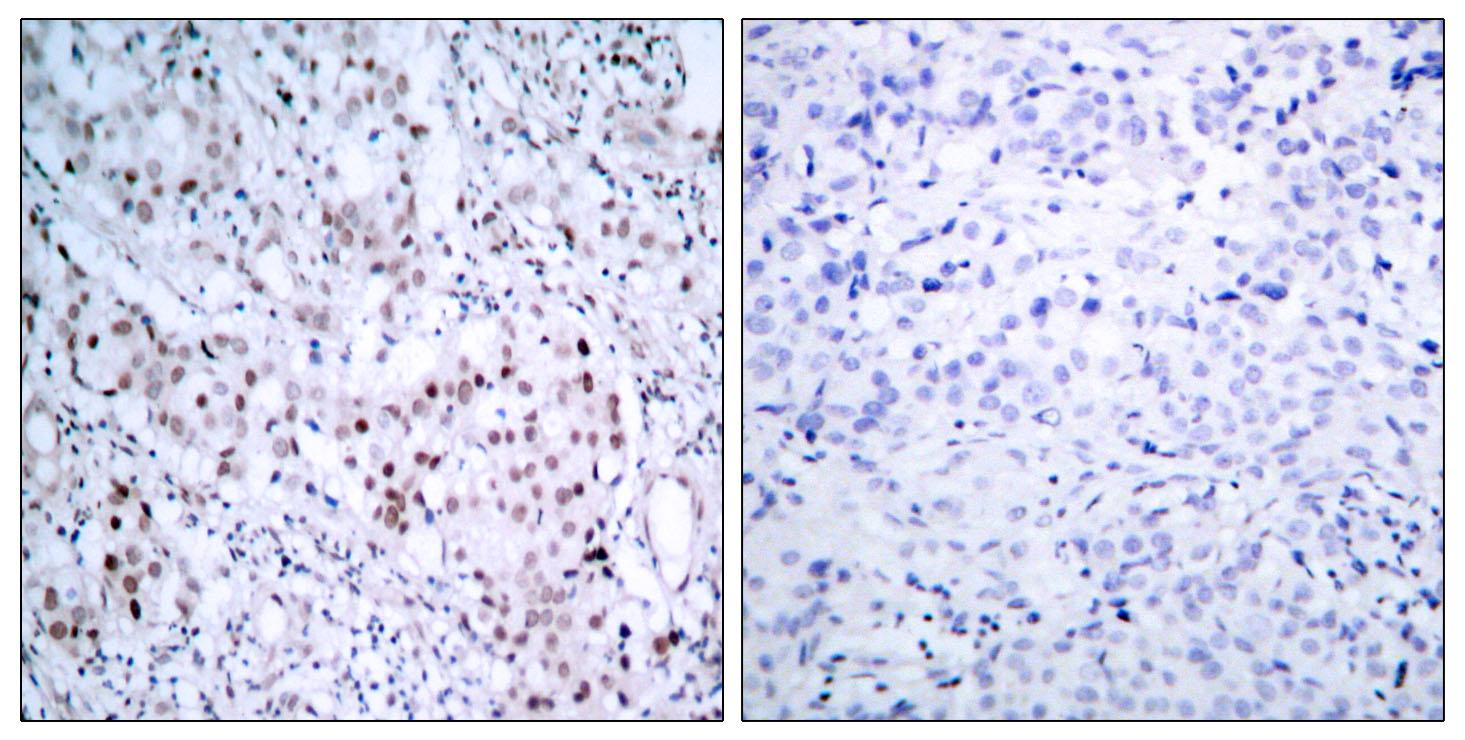
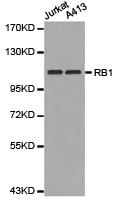
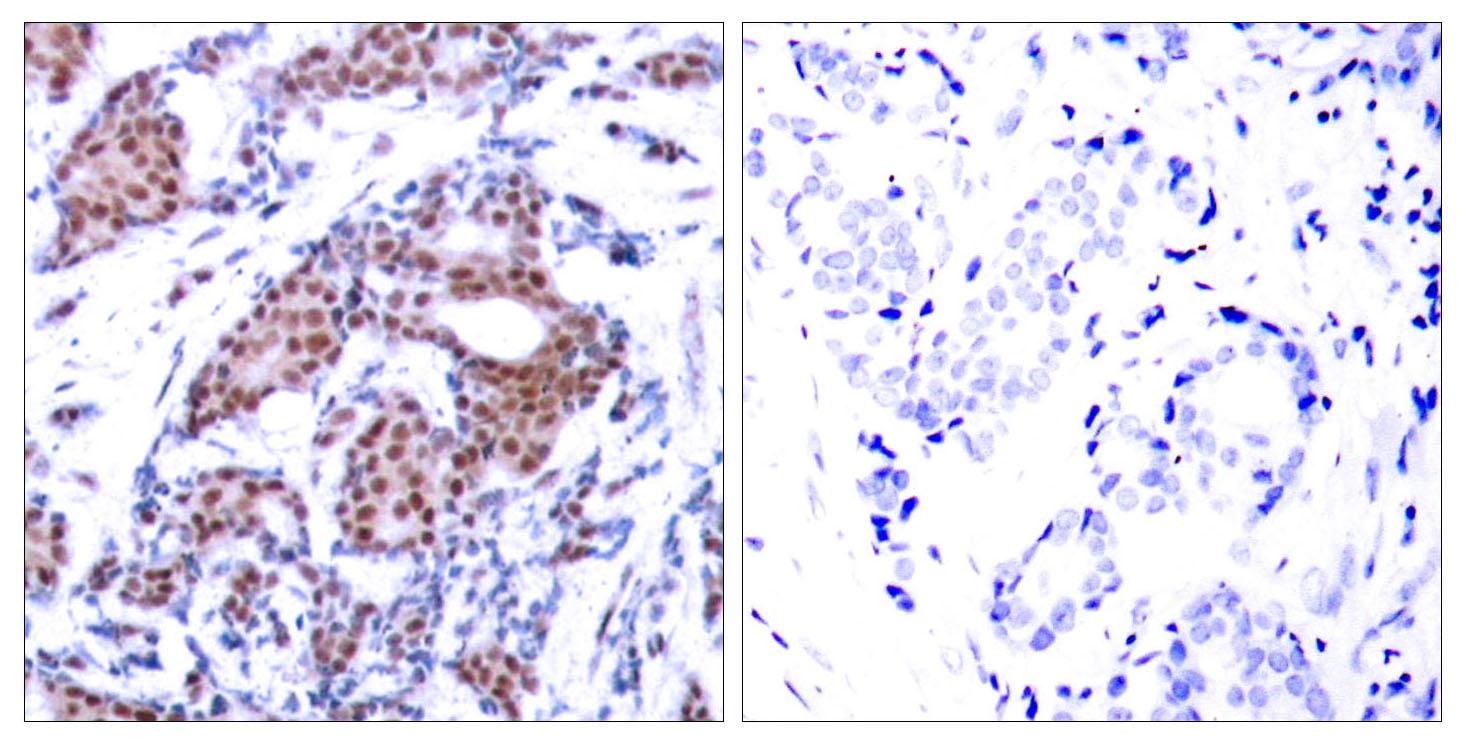
Western blot analysis of extracts from COLO cells and HeLa cells, using AKR1C3 antibody.
Conjugated Antibody
This product is also available conjugated. Format: E11-14395C-Conjugate. Price: $485 / Size: 100μl.
E11-14395C-FITC$485 / 100μlE11-14395C-Biotin$485 / 100μlE11-14395C-HRP$485 / 100μlE11-14395C-AP$485 / 100μlE11-14395C-AF350$485 / 100μlE11-14395C-AF405M$485 / 100μlE11-14395C-AF488$485 / 100μlE11-14395C-AF514$485 / 100μlE11-14395C-AF532$485 / 100μlE11-14395C-AF555$485 / 100μlE11-14395C-AF568$485 / 100μlE11-14395C-AF405S$485 / 100μlE11-14395C-AF405L$485 / 100μlE11-14395C-AF546$485 / 100μlE11-14395C-AF594$485 / 100μlE11-14395C-AF610$485 / 100μlE11-14395C-AF635$485 / 100μlE11-14395C-AF647$485 / 100μlE11-14395C-AF680$485 / 100μlE11-14395C-AF700$485 / 100μlE11-14395C-AF750$485 / 100μlE11-14395C-AF790$485 / 100μlE11-14395C-APC$485 / 100μlE11-14395C-PE$485 / 100μlE11-14395C-Cy3$485 / 100μlE11-14395C-Cy5$485 / 100μlE11-14395C-Cy5.5$485 / 100μlE11-14395C-Cy7$485 / 100μlE11-14395C-PE-Cy5$485 / 100μl
Contact order@enogene.com to order conjugated formats. Magnetic Beads (1-30μm) conjugation is also available.


Categories by research area
Categories by product type
- Antibodies
- Primary Antibodies
- Tag antibodies
- Internal control antibodies
- Pathological (Immunohistochemistry, IHC) antibodies
- Cell Signal Transduction Research Antibodies
- Secondary Antibody
- Antibody Sampler Kits
- ELISA Kits
- Recombinant Proteins
- Fluorescence Reagents
- Signal Inhibitors and Activators
- Transfection Reagent
- Cell biology kits
- Overexpression Cell Lines
- Cell Lysates
- Purification Resins
- 2019-nCoV & Monkeypox