World supplier of antibodies, antigens and kits since 2007

Primary Antibodies
CRTC2 Antibody
Human; Monkey
WB, IHC, IF, FC, ELISA. Not yet tested in other applications.
$225/ 100μg/100μl
QuantityTotal: $225
Ship worldwide. Contact order@enogene.com for ordering and bulk pricing or contact your local distributor.
BackgroundGlucose homeostasis is regulated by hormones and cellular energy status. Elevations of blood glucose during feeding stimulate insulin release from pancreatic β-cells through a glucose sensing pathway. Feeding also stimulates release of gut hormones such as glucagon-like peptide-1 (GLP-1), which further induces insulin release, inhibits glucagon release and promotes β-cell viability. CREB-dependent transcription likely plays a role in both glucose sensing and GLP-1 signaling . The protein Torc2 (transducer of regulated CREB activity 2) functions as a CREB co-activator and is implicated in mediating the effects of these two pathways . In quiescent cells, Torc2 is phosphorylated at Ser171 and becomes sequestered in the cytoplasm via an interaction with 14-3-3 proteins. Glucose and gut hormones lead to the dephosphorylation of Torc2 and its dissociation from 14-3-3 proteins. Dephosphorylated Torc2 enters the nucleus to promote CREB-dependent transcription.
Product Information
Clone Number5B10
SpeciesMouse IgG1
Entrez Gene200186
Recommended DilutionsWB:1/500 - 1/2000,IHC:1/200 - 1/1000,IF:1/200-1/1000,FC:1/200-1/400,
ELISA: Propose dilution 1/10000.
ELISA: Propose dilution 1/10000.
Molecular Weight80kDa
All Names
AlternameTORC2; TORC-2; CRTC2
ImmunogenPurified recombinant fragment of human CRTC2 expressed in E. Coli.
Storage/StabilityStore at 4℃, for long term storage, store at -20℃.
Form Or Antibody
Form of AntibodyAscitic fluid containing 0.03% sodium azide.
Price225$
Research AreaAutophagy antibody Cancer Cardiovascular Cell Biology Epigenetics & Nuclear Signaling Developmental Biologys Immunology Drug Discovery Products Metabolism Neuroscience Signal Transduction Stem Cells

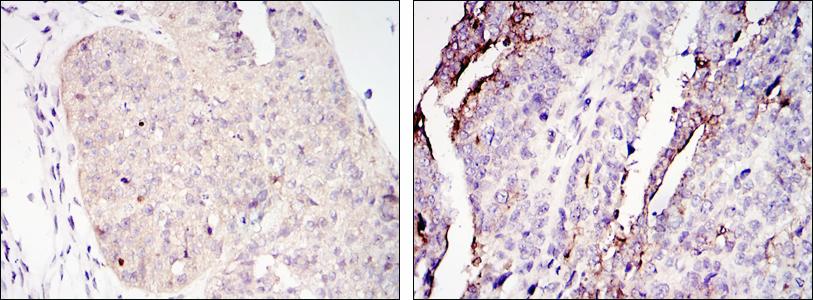
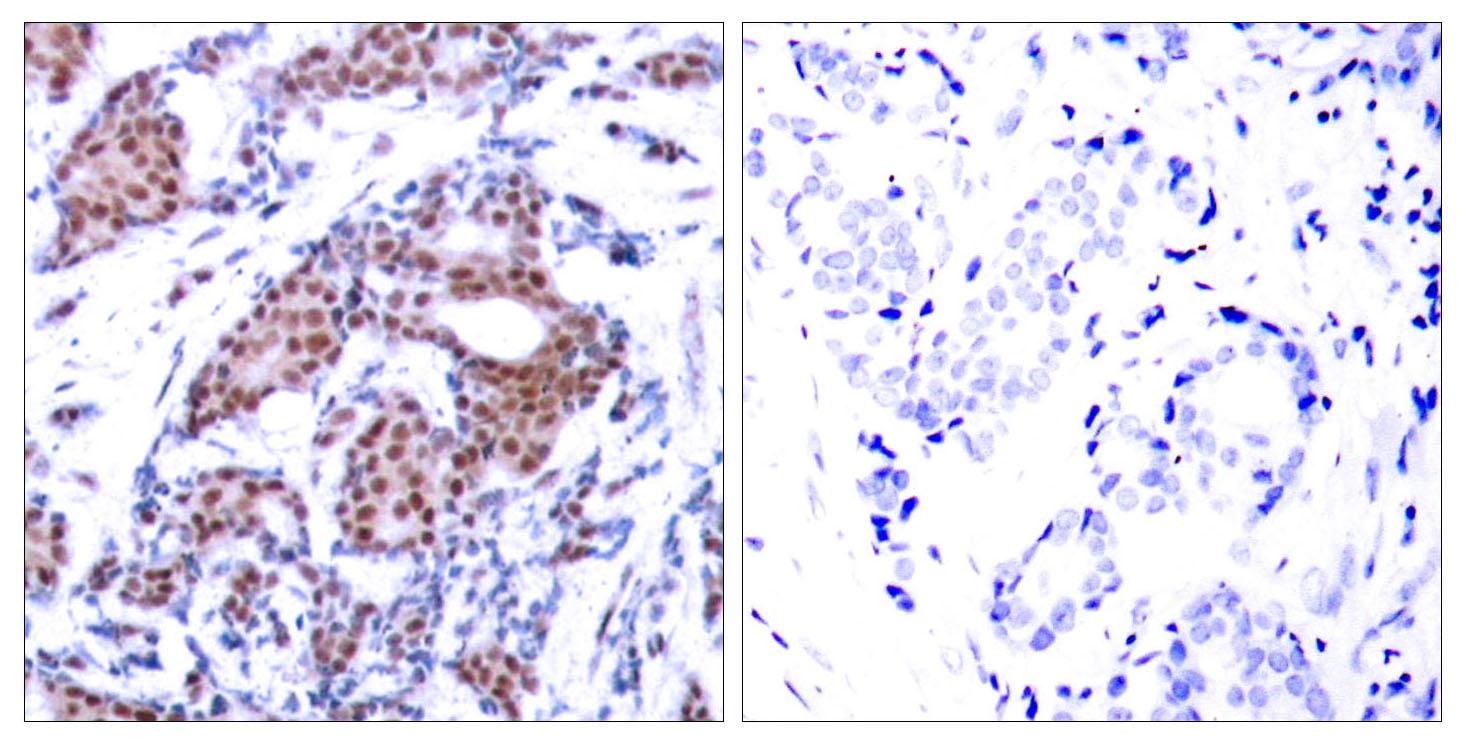
analysis of paraffin-embedded ovary tumour tissues (left) and mouse mAb with DAB staining.
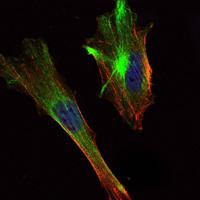
analysis of Hela cells using CRTC2 mouse mAb (green). Blue: Red: Actin filaments have been labeled with Alexa Fluor-555
Conjugated Antibody
This product is also available conjugated. Format: E10-30120-Conjugate. Price: $485 / Size: 100μl.
E10-30120-FITC$485 / 100μlE10-30120-Biotin$485 / 100μlE10-30120-HRP$485 / 100μlE10-30120-AP$485 / 100μlE10-30120-AF350$485 / 100μlE10-30120-AF405M$485 / 100μlE10-30120-AF488$485 / 100μlE10-30120-AF514$485 / 100μlE10-30120-AF532$485 / 100μlE10-30120-AF555$485 / 100μlE10-30120-AF568$485 / 100μlE10-30120-AF405S$485 / 100μlE10-30120-AF405L$485 / 100μlE10-30120-AF546$485 / 100μlE10-30120-AF594$485 / 100μlE10-30120-AF610$485 / 100μlE10-30120-AF635$485 / 100μlE10-30120-AF647$485 / 100μlE10-30120-AF680$485 / 100μlE10-30120-AF700$485 / 100μlE10-30120-AF750$485 / 100μlE10-30120-AF790$485 / 100μlE10-30120-APC$485 / 100μlE10-30120-PE$485 / 100μlE10-30120-Cy3$485 / 100μlE10-30120-Cy5$485 / 100μlE10-30120-Cy5.5$485 / 100μlE10-30120-Cy7$485 / 100μlE10-30120-PE-Cy5$485 / 100μl
Contact order@enogene.com to order conjugated formats. Magnetic Beads (1-30μm) conjugation is also available.
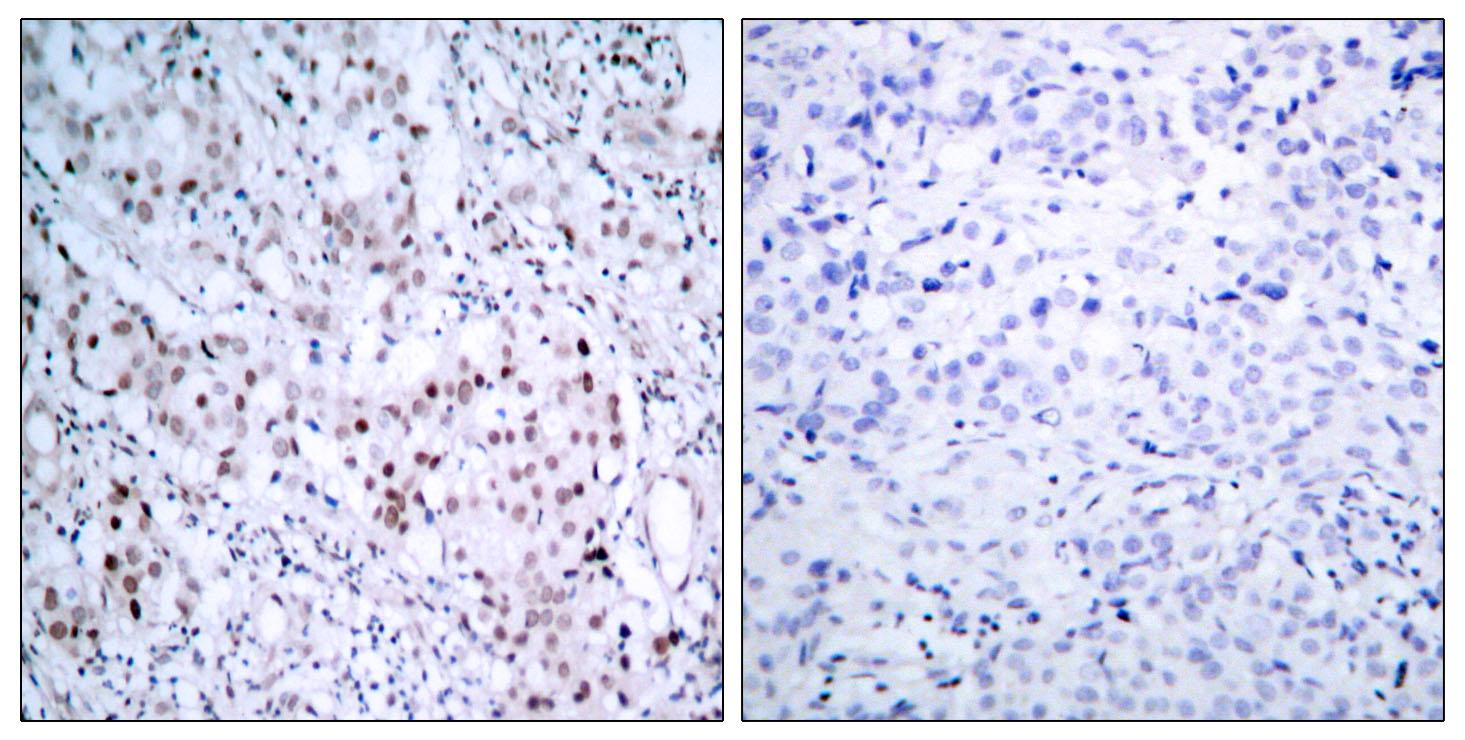
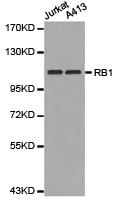


Categories by research area
Categories by product type
- Antibodies
- Primary Antibodies
- Tag antibodies
- Internal control antibodies
- Pathological (Immunohistochemistry, IHC) antibodies
- Cell Signal Transduction Research Antibodies
- Secondary Antibody
- Antibody Sampler Kits
- ELISA Kits
- Recombinant Proteins
- Fluorescence Reagents
- Signal Inhibitors and Activators
- Transfection Reagent
- Cell biology kits
- Overexpression Cell Lines
- Cell Lysates
- Purification Resins
- 2019-nCoV & Monkeypox