World supplier of antibodies, antigens and kits since 2007

Primary Antibodies
NF-κB p65 Antibody
Human
WB,ELISA. Not yet tested in other applications. Determining optimal working dilutions by titration test.
$225/ 100μg/100μl
QuantityTotal: $225
Ship worldwide. Contact order@enogene.com for ordering and bulk pricing or contact your local distributor.
BackgroundTranscription factors of the nuclear factor κ B (NF-κB)/Rel family is a ubiquitously expressed transcription factor that regulates many cytokine and Ig genes. It is involved in immune, inflammatory, viral, and acute phase responses. There are five family members in mammals. RelA (p65), c-Rel, RelB, NF-κB1 (p105/p50) and NF-κB2 (p100/p52). The most studied NF-κB complex consists of the p50 and p65 subunits, both containing a 300 amino acid region with homology to the Rel proto-oncogene product. The p50 subunit binds DNA, whereas the p65 subunit is responsible for the interaction of NF-κB with its inhibitor, IκB. In most cell types, the p50/p65 heterodimer is located within the cytoplasm complexed to IκB. This complex prevents nuclear translocation and activity of NF-κB. In response to stimuli such as cytokines, LPS, and viral infections, IκB is phosphorylated at critical residues. This phosphorylation induces dissociation of the IκB/NF-κB complex, allowing the free heterodimeric NF-κB to form a heterotetramer that translocates to the nucleus. In the nucleus, it binds to the κB site within promoters and enhancers and functions as a transcriptional activator.
Product Information
Clone Number6H7
SpeciesMouse IgG1
Entrez Gene5970
Recommended DilutionsWB 1/500 - 1/2000.ELISA. Propose dilution 1/10000.
Molecular Weight65kDa
All Names
AlternameNFkappaB p65; p65; NFKB3; RELA
ImmunogenPurified recombinant fragment of human NF-κB p65 expressed in E. Coli.
Storage/StabilityStore at 4℃, for long term storage, store at -20℃
Form Or Antibody
Form of AntibodyAscitic fluid containing 0.03% sodium azide.
Price225$
Research AreaAutophagy antibody Cancer Cardiovascular Cell Biology Epigenetics & Nuclear Signaling Developmental Biologys Immunology Drug Discovery Products Metabolism Neuroscience Signal Transduction Stem Cells

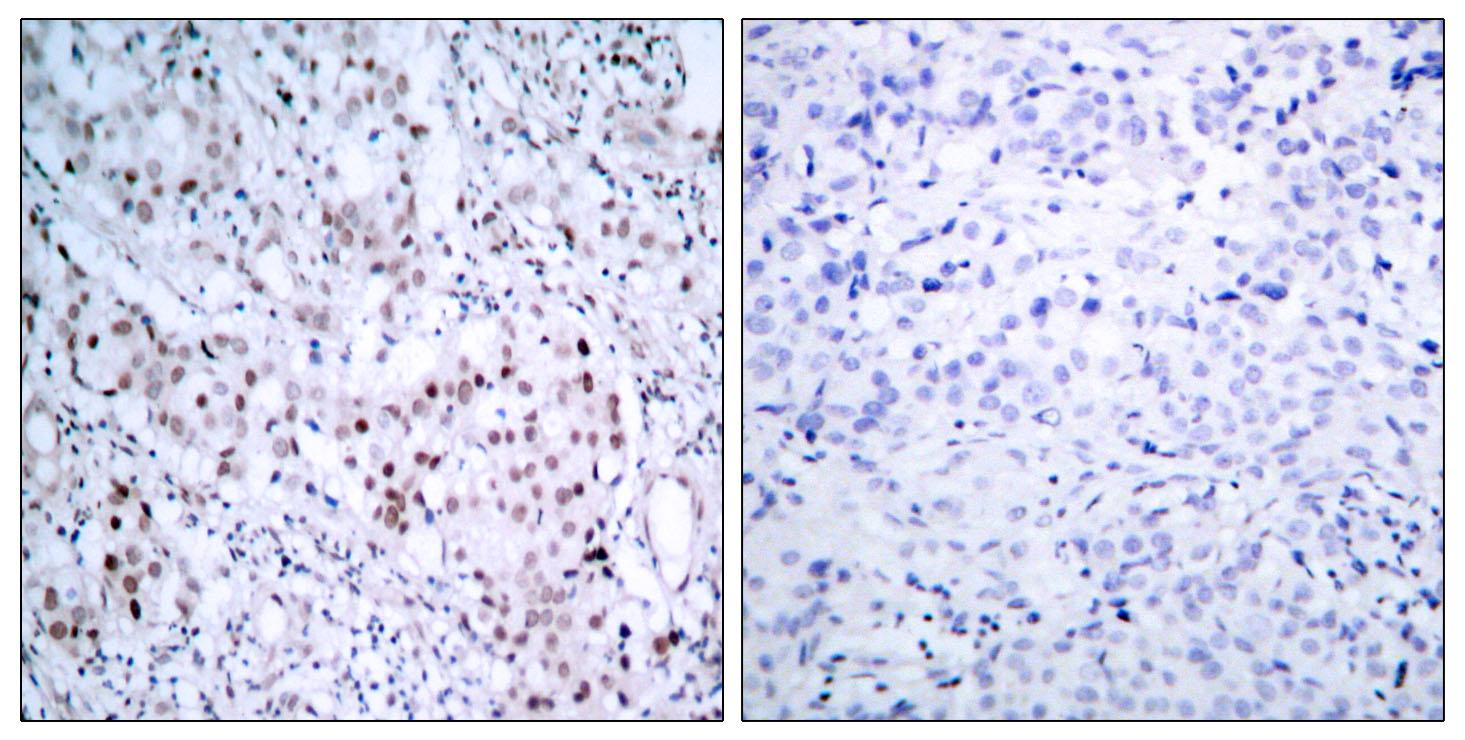
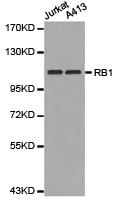
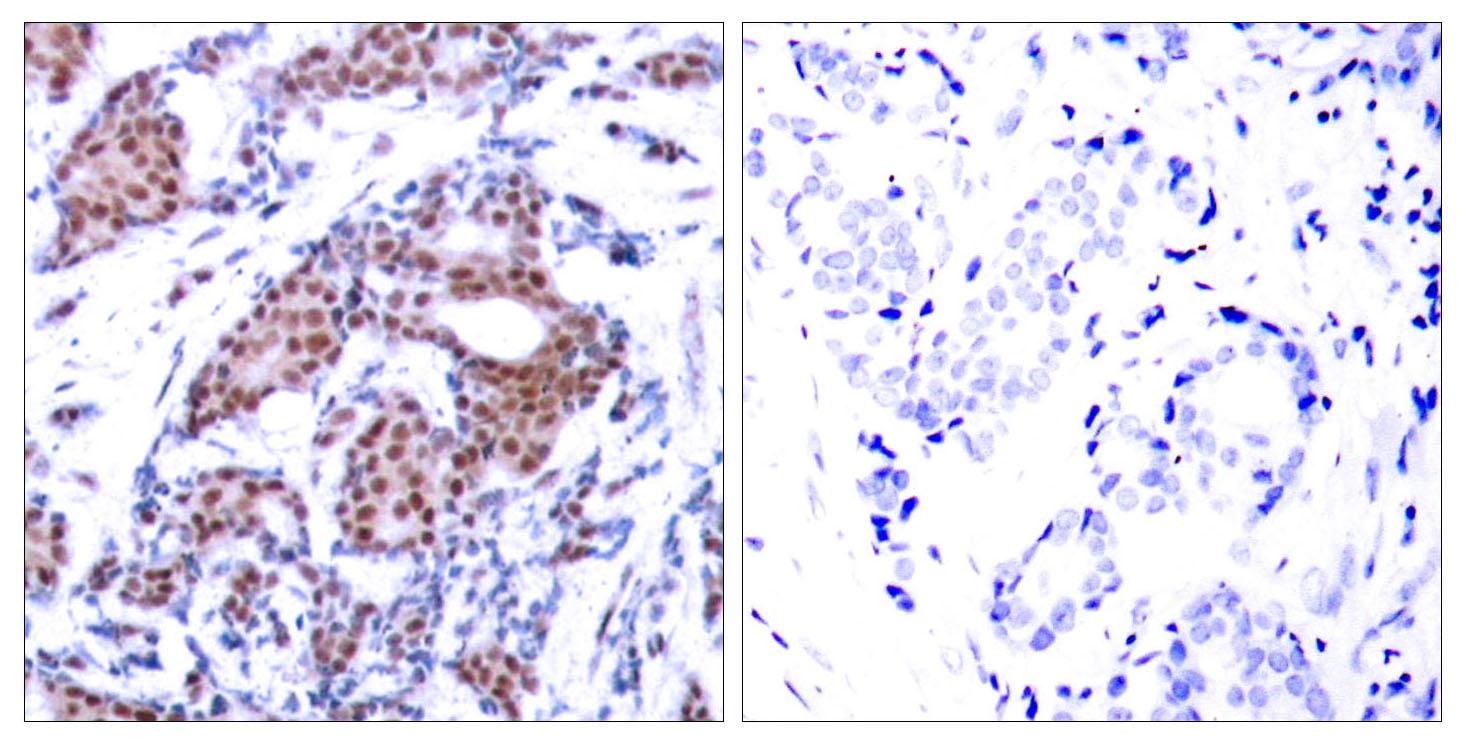
analysis using NF-κB p65 mouse mAb against Jurkat (1), K562 (2) and
Conjugated Antibody
This product is also available conjugated. Format: E10-20406-Conjugate. Price: $485 / Size: 100μl.
E10-20406-FITC$485 / 100μlE10-20406-Biotin$485 / 100μlE10-20406-HRP$485 / 100μlE10-20406-AP$485 / 100μlE10-20406-AF350$485 / 100μlE10-20406-AF405M$485 / 100μlE10-20406-AF488$485 / 100μlE10-20406-AF514$485 / 100μlE10-20406-AF532$485 / 100μlE10-20406-AF555$485 / 100μlE10-20406-AF568$485 / 100μlE10-20406-AF405S$485 / 100μlE10-20406-AF405L$485 / 100μlE10-20406-AF546$485 / 100μlE10-20406-AF594$485 / 100μlE10-20406-AF610$485 / 100μlE10-20406-AF635$485 / 100μlE10-20406-AF647$485 / 100μlE10-20406-AF680$485 / 100μlE10-20406-AF700$485 / 100μlE10-20406-AF750$485 / 100μlE10-20406-AF790$485 / 100μlE10-20406-APC$485 / 100μlE10-20406-PE$485 / 100μlE10-20406-Cy3$485 / 100μlE10-20406-Cy5$485 / 100μlE10-20406-Cy5.5$485 / 100μlE10-20406-Cy7$485 / 100μlE10-20406-PE-Cy5$485 / 100μl
Contact order@enogene.com to order conjugated formats. Magnetic Beads (1-30μm) conjugation is also available.


Categories by research area
Categories by product type
- Antibodies
- Primary Antibodies
- Tag antibodies
- Internal control antibodies
- Pathological (Immunohistochemistry, IHC) antibodies
- Cell Signal Transduction Research Antibodies
- Secondary Antibody
- Antibody Sampler Kits
- ELISA Kits
- Recombinant Proteins
- Fluorescence Reagents
- Signal Inhibitors and Activators
- Transfection Reagent
- Cell biology kits
- Overexpression Cell Lines
- Cell Lysates
- Purification Resins
- 2019-nCoV & Monkeypox