World supplier of antibodies, antigens and kits since 2007

ELISA Kits
Rat AGE/Advanced glycation end-product ELISA Kit
Rat
$1009/ 96T
QuantityTotal: $1009
Ship worldwide. Contact order@enogene.com for ordering and bulk pricing or contact your local distributor.
Product Information
Cite ID#EN5521142
TypeRat ELISA Kits
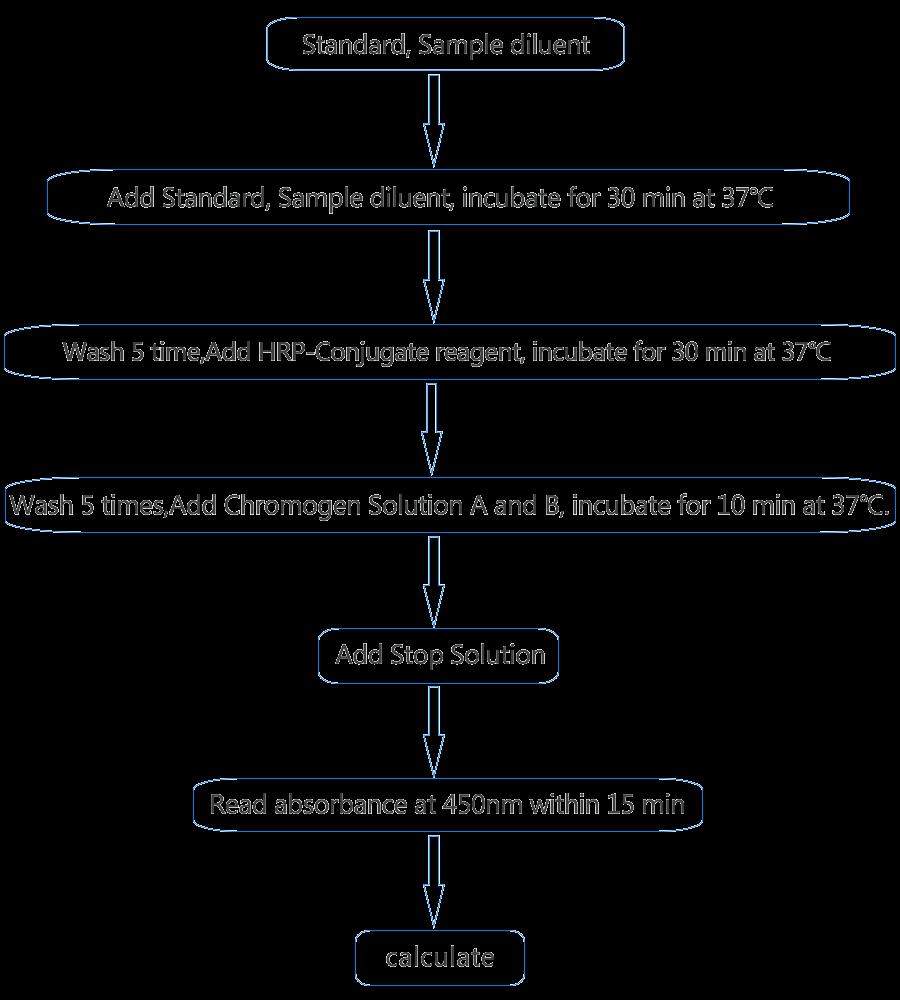
DescriptionRat AGE/Advanced glycation end-product ELISA Kit is a ready-to-use microwell, strip plate ELISA (enzyme-linked immunosorbent assay) Kit designed for the quantitative measurement of AGE in biological samples. Our rigorously validated, ready-to-go Rat AGE/Advanced glycation end-product ELISA Kit use a simple protocol that easily integrates into your current processes, allowing you to rapidly and accurately detect AGE in your samples. Appropriate sample types may include Cell Culture Supernates, Serum, Platelet-poor EDTA Plasma, Platelet-poor Heparin Plasma, Urine.
Precision
Intra-Assay Precision (Precision within an assay): Three samples of known concentration were tested several times on one plate to assess intra-assay precision.
Inter-Assay Precision (Precision between assays): Three samples of known concentration were tested in several separate assays to assess inter-assay precision. Assays were performed by at least two technicians using two lots of components.
Assay typeSandwich
Detection principleSpectrophotometrical
Sample typeThis immunoassay kit allows for the in vitro quantitative determination in Serum, plasma, tissue homogenates, cell culture supernates and other biological fluids.
Sensitivity0.413 ng/mL
Assay range0.78-50 ng/mL
Kit componentsAssay Plate, Standard, Sample Diluent, Assay Diluent A&B, Detection Reagent A&B, Wash Buffer, Substrate, Stop Solution.
Other reagents requiredDeionized or distilled water
FunctionAn advanced glycation end-product (AGE) is the result of a chain of chemical reactions after an initial glycation reaction. The intermediate products are known, variously, as Amadori, Schiff base and Maillard products, named after the researchers who first described them. (The literature is inconsistent in applying these terms. For example, Maillard reaction products are sometimes considered intermediates and sometimes end products.) Side products generated in intermediate steps may be oxidizing agents (such as hydrogen peroxide), or not (such as beta amyloid proteins). "Glycosylation" is sometimes used for "glycation" in the literature, usually as 'non-enzymatic glycosylation.
FormELISA Kits
Price1009$
Gene NameAGE
Storage/StabilityStore at +4°C. Please refer to protocols.

Categories by research area
Categories by product type
- Antibodies
- Primary Antibodies
- Tag antibodies
- Internal control antibodies
- Pathological (Immunohistochemistry, IHC) antibodies
- Cell Signal Transduction Research Antibodies
- Secondary Antibody
- Antibody Sampler Kits
- ELISA Kits
- Recombinant Proteins
- Fluorescence Reagents
- Signal Inhibitors and Activators
- Transfection Reagent
- Cell biology kits
- Overexpression Cell Lines
- Cell Lysates
- Purification Resins
- 2019-nCoV & Monkeypox