
You are here: EnoGene Home > Products > Cell Signal Transduction Research Antibodies > uPA Polyclonal Antibody
uPA Polyclonal Antibody
Datasheet
Catalog Number:
E20-74823Amount:
100ulPrice:
225$Purification:
The antibody was affinity-purified from rabbit antiserum by affinity-chromatography using epitope-specific immunogen.Immunogen:
The antiserum was produced against synthesized peptide derived from human uPA. AA range:190-239Source:
Polyclonal, RabbitGene Name:
PLAUDilution:
Immunohistochemistry: 1/100 - 1/300. ELISA: 1/40000. Not yet tested in other applications.
- Immunohistochemistry analysis of uPA antibody in paraffin-embedded human brain tissue.
Background:
plasminogen activator, urokinase(PLAU) Homo sapiens This gene encodes a secreted serine protease that converts plasminogen to plasmin. The encoded preproprotein is proteolytically processed to generate A and B polypeptide chains. These chains associate via a single disulfide bond to form the catalytically inactive high molecular weight urokinase-type plasminogen activator (HMW-uPA). HMW-uPA can be further processed into the catalytically active low molecular weight urokinase-type plasminogen activator (LMW-uPA). This low molecular weight form does not bind to the urokinase-type plasminogen activator receptor. Mutations in this gene may be associated with Quebec platelet disorder and late-onset Alzheimer's disease. Alternative splicing results in multiple transcript variants, at least one of which encodes an isoform that is proteolytically processed. [provided by RefSeq, Jan 2016],Protein Name:
Urokinase-type plasminogen activatorHuman Gene Id:
5328Human Swiss Prot No:
P00749Mouse Swiss Prot No:
P06869Specificity:
uPA Polyclonal Antibody detects endogenous levels of uPA protein.Formulation:
Liquid in PBS containing 50% glycerol, 0.5% BSA and 0.02% sodium azide.Concentration:
1 mg/mlStorage Stability:
-20°C/1 yearOther Name:
PLAU; Urokinase-type plasminogen activator; U-plasminogen activator; uPAMolecularWeight(Da):
48525Function:
catalytic activity:Specific cleavage of Arg-|-Val bond in plasminogen to form plasmin.,function:Specifically cleave the zymogen plasminogen to form the active enzyme plasmin.,online information:Urokinase entry,pharmaceutical:Available under the name Abbokinase (Abbott). Used in Pulmonary Embolism (PE) to initiates fibrinolysis. Clinically used for therapy of thrombolytic disorders.,PTM:Phosphorylation of Ser-158 and Ser-323 abolishes proadhesive ability but does not interfere with receptor binding.,similarity:Belongs to the peptidase S1 family.,similarity:Contains 1 EGF-like domain.,similarity:Contains 1 kringle domain.,similarity:Contains 1 peptidase S1 domain.,subunit:Found in high and low molecular mass forms. Each consists of two chains, A and B. The high molecular mass form contains a long chain A which is cleaved to yield a short chain A. Binds LRP1B; binding is followed by internaSubcellular Location:
extracellular region,extracellular space,plasma membrane,focal adhesion,cell surface,extracellular exosome,Expression:
Brain,Lung,

Related Products
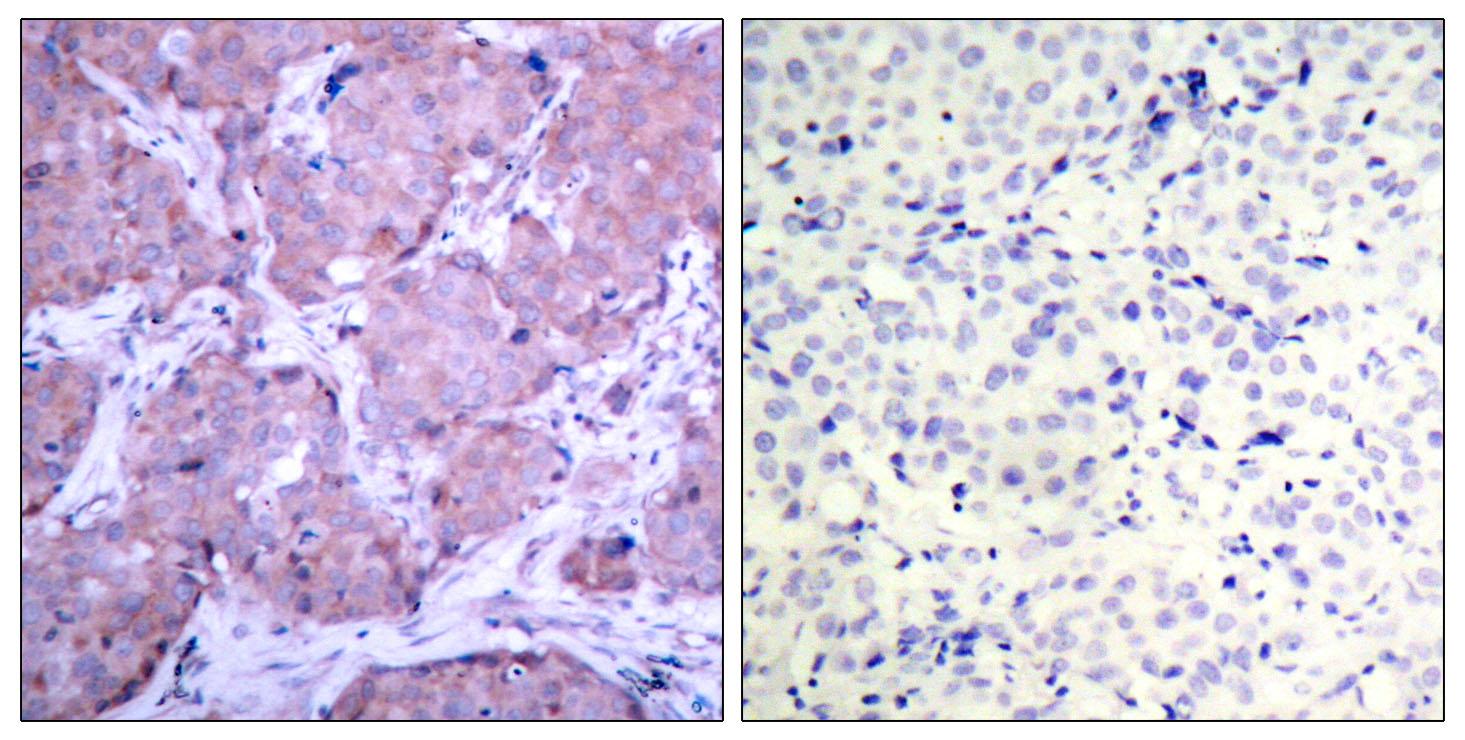
- PTEN (Phospho-Ser380) Antibody Datasheet
Catalog Number:
E011009-1Amount:
50μg/50μlReactivity:
Human, Mouse, RatApplications:
IHC: 1:50~1:100Swiss-Prot No.:
P60484Price:
145$
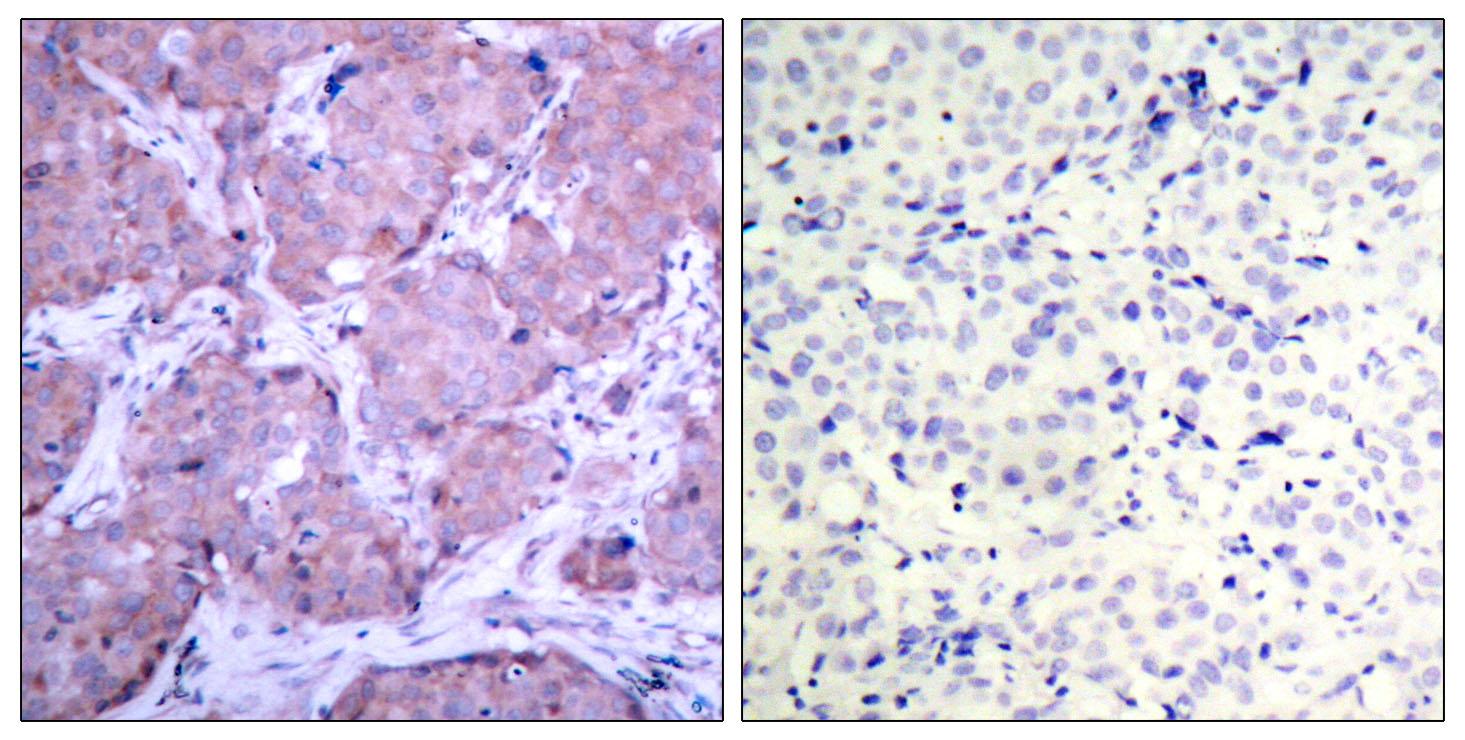
- PTEN (Phospho-Ser380) Antibody Datasheet
Catalog Number:
E011009-2Amount:
100μg/100μlReactivity:
Human, Mouse, RatApplications:
IHC: 1:50~1:100Swiss-Prot No.:
P60484Price:
225$
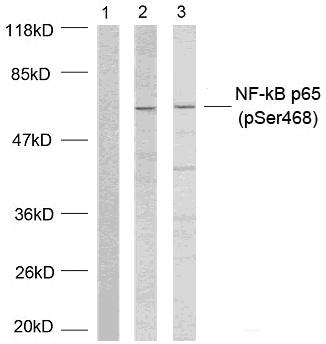
- NFκB-p65 (Phospho-Ser468) Antibody Datasheet
Catalog Number:
E011013-1Amount:
50μg/50μlReactivity:
Human, Mouse, RatApplications:
WB: 1:500~1:1000 IF:1:100~1:200Swiss-Prot No.:
Q04206Price:
145$
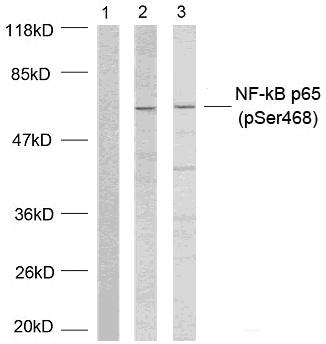
- NFκB-p65 (Phospho-Ser468) Antibody Datasheet
Catalog Number:
E011013-2Amount:
100μg/100μlReactivity:
Human, Mouse, RatApplications:
WB: 1:500~1:1000 IF:1:100~1:200Swiss-Prot No.:
Q04206Price:
225$

- Rel (Phospho-Ser503) Antibody Datasheet
Catalog Number:
E011020-1Amount:
50μg/50μlReactivity:
HumanApplications:
IF:1:100~1:200Swiss-Prot No.:
Q04864Price:
145$

Catalog Number
- Amount:100ul
- Price:225$

Contact us
Categories by research area
Categories by product type
- Antibodies
- Tag antibodies
- Internal control antibodies
- Pathological (Immunohistochemistry, IHC) antibodies
- Cell Signal Transduction Research Antibodies
- Secondary Antibody
- Antibody Sampler Kits
- Recombinant Proteins
- Fluorescence Reagents
- Signal Inhibitors and Activators
- Transfection Reagent
- Cell biology kits