
You are here: EnoGene Home > Products > Cell Signal Transduction Research Antibodies > Sclerostin Polyclonal Antibody
Sclerostin Polyclonal Antibody
Datasheet
Catalog Number:
E20-74223Amount:
100ulPrice:
225$Purification:
The antibody was affinity-purified from rabbit antiserum by affinity-chromatography using epitope-specific immunogen.Immunogen:
Synthesized peptide derived from Sclerostin . at AA range: 130-210Source:
Polyclonal, RabbitGene Name:
SOSTDilution:
Western Blot: 1/500 - 1/2000. ELISA: 1/20000. Not yet tested in other applications.
- Western blot analysis of lysates from Jarkat cells, primary antibody was diluted at 1:1000, 4°over night
Background:
sclerostin(SOST) Homo sapiens Sclerostin is a secreted glycoprotein with a C-terminal cysteine knot-like (CTCK) domain and sequence similarity to the DAN (differential screening-selected gene aberrative in neuroblastoma) family of bone morphogenetic protein (BMP) antagonists. Loss-of-function mutations in this gene are associated with an autosomal-recessive disorder, sclerosteosis, which causes progressive bone overgrowth. A deletion downstream of this gene, which causes reduced sclerostin expression, is associated with a milder form of the disorder called van Buchem disease. [provided by RefSeq, Jul 2008],Protein Name:
SclerostinHuman Gene Id:
50964Human Swiss Prot No:
Q9BQB4Mouse Swiss Prot No:
Q99P68Specificity:
Sclerostin Polyclonal Antibody detects endogenous levels of Sclerostin protein.Formulation:
Liquid in PBS containing 50% glycerol, 0.5% BSA and 0.02% sodium azide.Concentration:
1 mg/mlStorage Stability:
-20°C/1 yearOther Name:
SOST; SclerostinMolecularWeight(Da):
24031Observed Band(KD):
26Function:
disease:A 52 kb deletion downstream of SOST results in SOST transcription suppression and is a cause of van Buchem disease (VBCH) [MIM:239100]; also known as hyperostosis corticalis generalisata. VBCH is an autosomal recessive sclerosing bone dysplasia characterized by endosteal hyperostosis of the mandible, skull, ribs, clavicles, and diaphyses of the long bones. Affected patients present a symmetrically increased thickness of bones, most frequently found as an enlarged jawbone, but also an enlargement of the skull, ribs, diaphysis of long bones, as well as tubular bones of hands and feet. The clinical consequence of increased thickness of the skull include facial nerve palsy causing hearing loss, visual problems, neurological pain, and, very rarely, blindness as a consequence of optic atrophy. Serum alkaline phosphatase levels are elevated.,disease:Defects in SOST are the cause of scleSubcellular Location:
extracellular region,proteinaceous extracellular matrix,extracellular space,Golgi apparatus,extracellular matrix,protein complex,Expression:
Aorta,Normal aorta,

Related Products
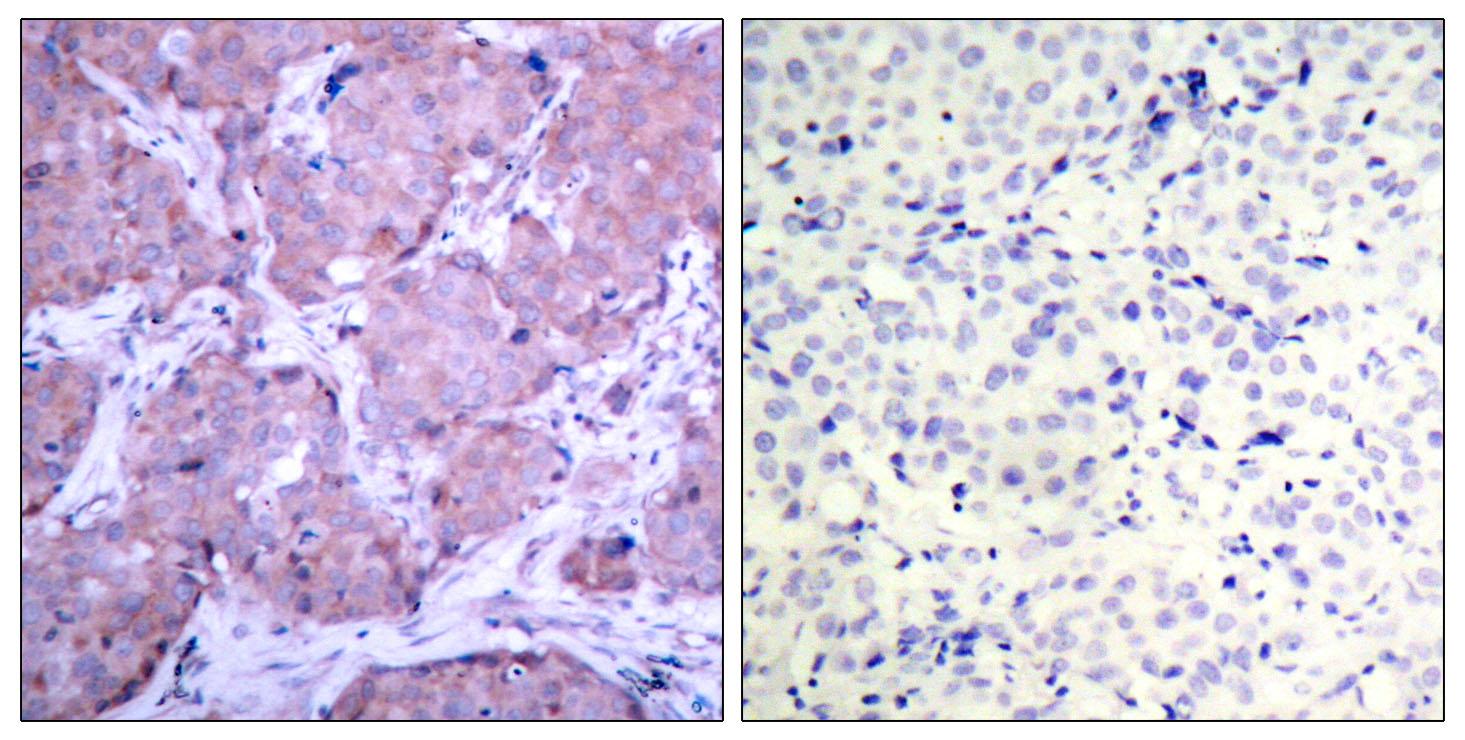
- PTEN (Phospho-Ser380) Antibody Datasheet
Catalog Number:
E011009-1Amount:
50μg/50μlReactivity:
Human, Mouse, RatApplications:
IHC: 1:50~1:100Swiss-Prot No.:
P60484Price:
145$
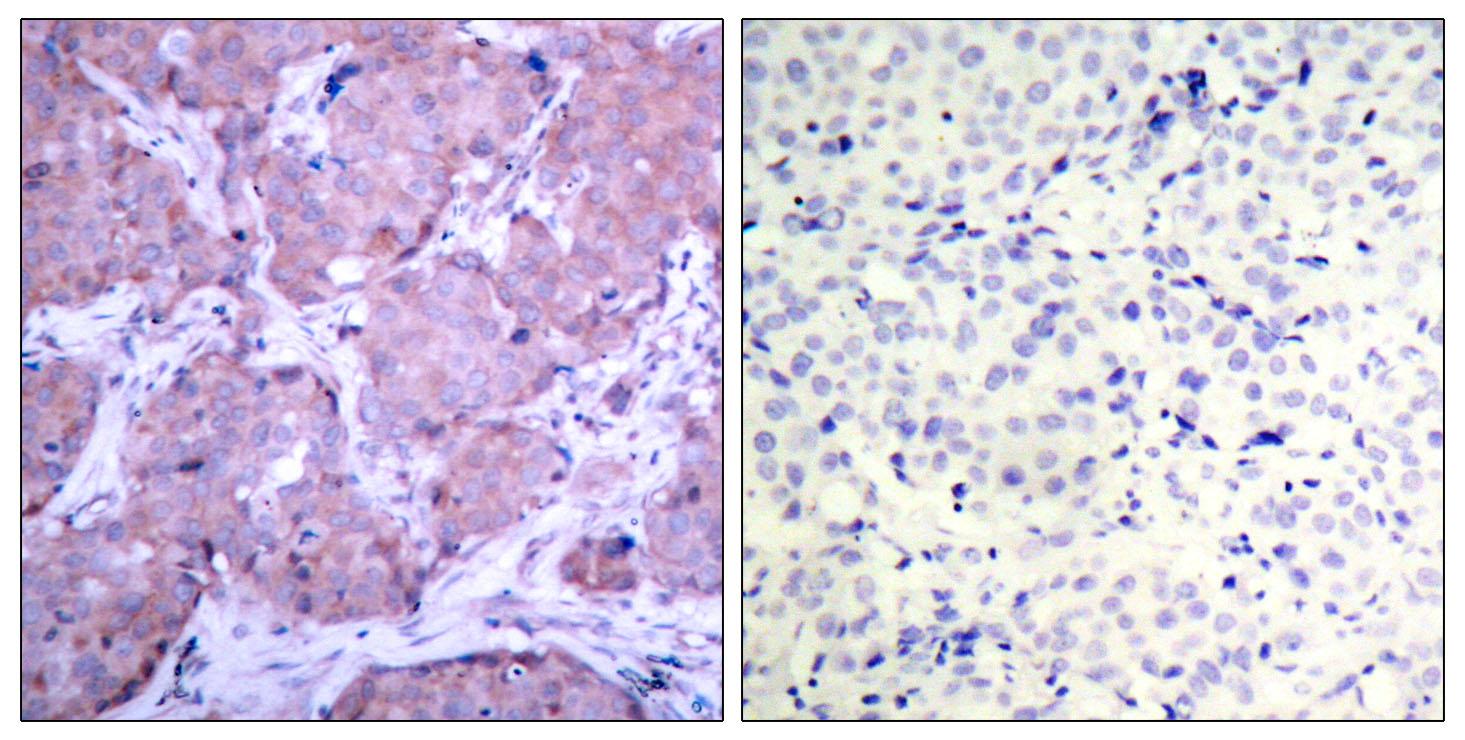
- PTEN (Phospho-Ser380) Antibody Datasheet
Catalog Number:
E011009-2Amount:
100μg/100μlReactivity:
Human, Mouse, RatApplications:
IHC: 1:50~1:100Swiss-Prot No.:
P60484Price:
225$
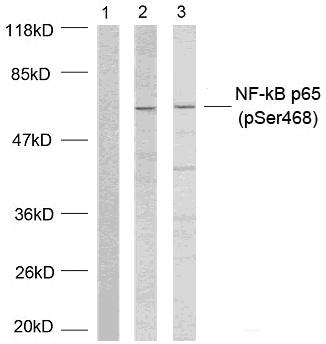
- NFκB-p65 (Phospho-Ser468) Antibody Datasheet
Catalog Number:
E011013-1Amount:
50μg/50μlReactivity:
Human, Mouse, RatApplications:
WB: 1:500~1:1000 IF:1:100~1:200Swiss-Prot No.:
Q04206Price:
145$
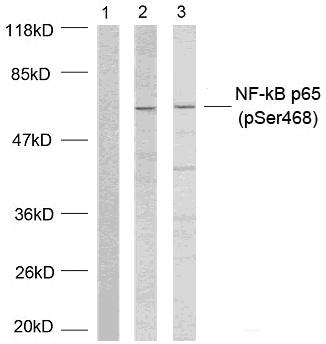
- NFκB-p65 (Phospho-Ser468) Antibody Datasheet
Catalog Number:
E011013-2Amount:
100μg/100μlReactivity:
Human, Mouse, RatApplications:
WB: 1:500~1:1000 IF:1:100~1:200Swiss-Prot No.:
Q04206Price:
225$

- Rel (Phospho-Ser503) Antibody Datasheet
Catalog Number:
E011020-1Amount:
50μg/50μlReactivity:
HumanApplications:
IF:1:100~1:200Swiss-Prot No.:
Q04864Price:
145$

Catalog Number
- Amount:100ul
- Price:225$

Contact us
Categories by research area
Categories by product type
- Antibodies
- Tag antibodies
- Internal control antibodies
- Pathological (Immunohistochemistry, IHC) antibodies
- Cell Signal Transduction Research Antibodies
- Secondary Antibody
- Antibody Sampler Kits
- Recombinant Proteins
- Fluorescence Reagents
- Signal Inhibitors and Activators
- Transfection Reagent
- Cell biology kits