
You are here: EnoGene Home > Products > Cell Signal Transduction Research Antibodies > PSMC3 Polyclonal Antibody
PSMC3 Polyclonal Antibody
Datasheet
Catalog Number:
E20-73884Amount:
100ulSwiss-Prot No.:
P17980Molecular Weight:
49.2kd Observed Band 45kdApplications:
WB,IHC-p,IF(paraffin section),ELISAReactivity:
Human,Mouse,RatPurification:
The antibody was affinity-purified from rabbit antiserum by affinity-chromatography using epitope-specific immunogen.Immunogen:
The antiserum was produced against synthesized peptide derived from human PRS6A. AA range:271-320Specificity/Sensitivity:
PSMC3 Polyclonal Antibody detects endogenous levels of PSMC3 protein.Storage/Stability:
-20°C/1 yearSource:
RabbitGene Name:
PSMC3Dilution:
Western Blot: 1/500 - 1/2000. Immunohistochemistry: 1/100 - 1/300. ELISA: 1/40000. Not yet tested in other applications.
- Western blot analysis of lysates from K562 and HT-29 cells, using PRS6A Antibody. The lane on the right is blocked with the synthesized peptide.
Background:
proteasome 26S subunit, ATPase 3(PSMC3) Homo sapiens The 26S proteasome is a multicatalytic proteinase complex with a highly ordered structure composed of 2 complexes, a 20S core and a 19S regulator. The 20S core is composed of 4 rings of 28 non-identical subunits; 2 rings are composed of 7 alpha subunits and 2 rings are composed of 7 beta subunits. The 19S regulator is composed of a base, which contains 6 ATPase subunits and 2 non-ATPase subunits, and a lid, which contains up to 10 non-ATPase subunits. Proteasomes are distributed throughout eukaryotic cells at a high concentration and cleave peptides in an ATP/ubiquitin-dependent process in a non-lysosomal pathway. An essential function of a modified proteasome, the immunoproteasome, is the processing of class I MHC peptides. This gene encodes one of the ATPase subunits, a member of the triple-A family of ATPases that have chaperone-like activity. This subunit may compete with PSMC2 for bindiGene ID:
5702Formulation:
Liquid in PBS containing 50% glycerol, 0.5% BSA and 0.02% sodium azideFunction:
The 26S protease is involved in the ATP-dependent degradation of ubiquitinated proteins. The regulatory (or ATPase) complex confers ATP dependency and substrate specificity to the 26S complex (By similarity). In case of HIV-1 infection, suppresses Tat-mediated transactivation.,PTM:Sumoylated by UBE2I in response to MEKK1-mediated stimuli.,similarity:Belongs to the AAA ATPase family.,subunit:May form a heterodimer with a related family member. Interacts with PAAF1. Interacts with HIV-1 Tat.,
- Western blot analysis of the lysates from HT-29 cells using PRS6A antibody.

Related Products
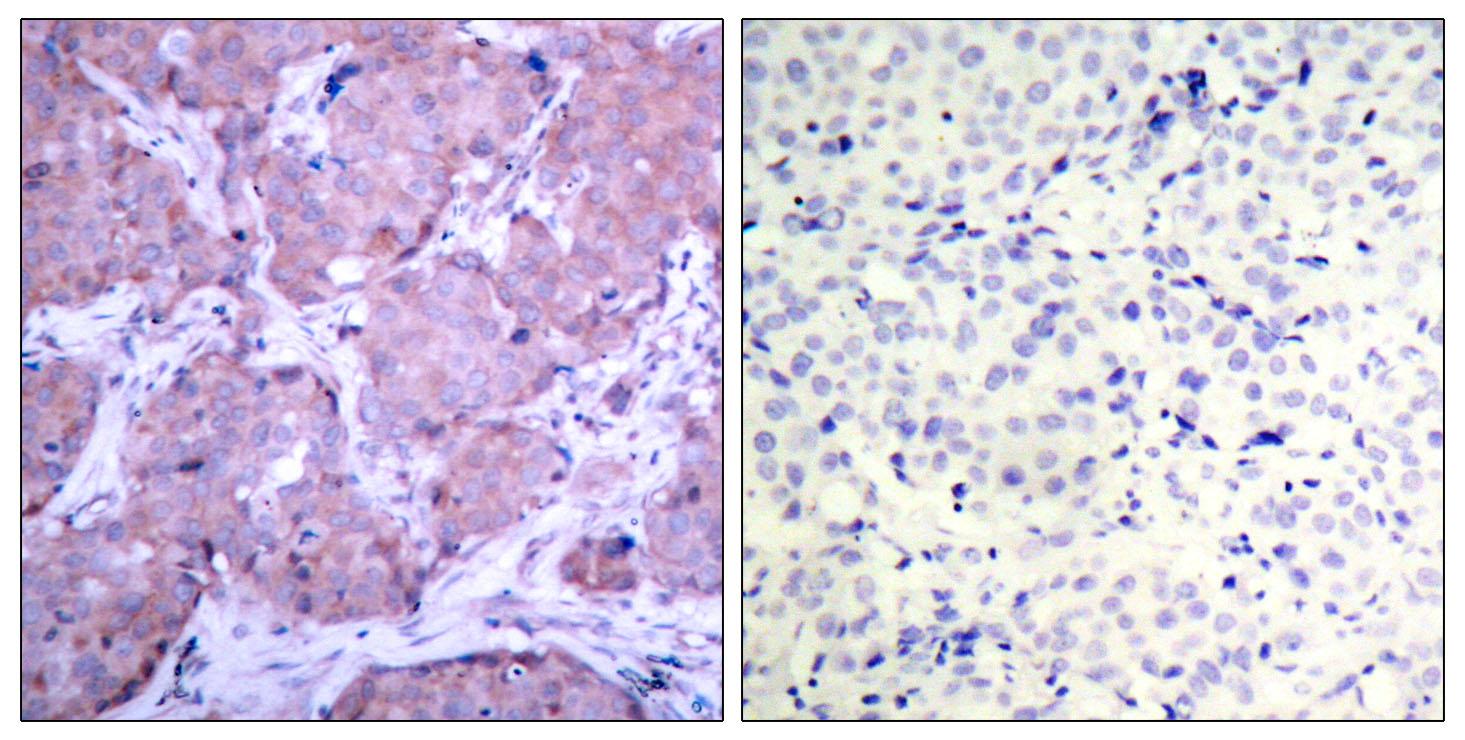
- PTEN (Phospho-Ser380) Antibody Datasheet
Catalog Number:
E011009-1Amount:
50μg/50μlReactivity:
Human, Mouse, RatApplications:
IHC: 1:50~1:100Swiss-Prot No.:
P60484Price:
145$
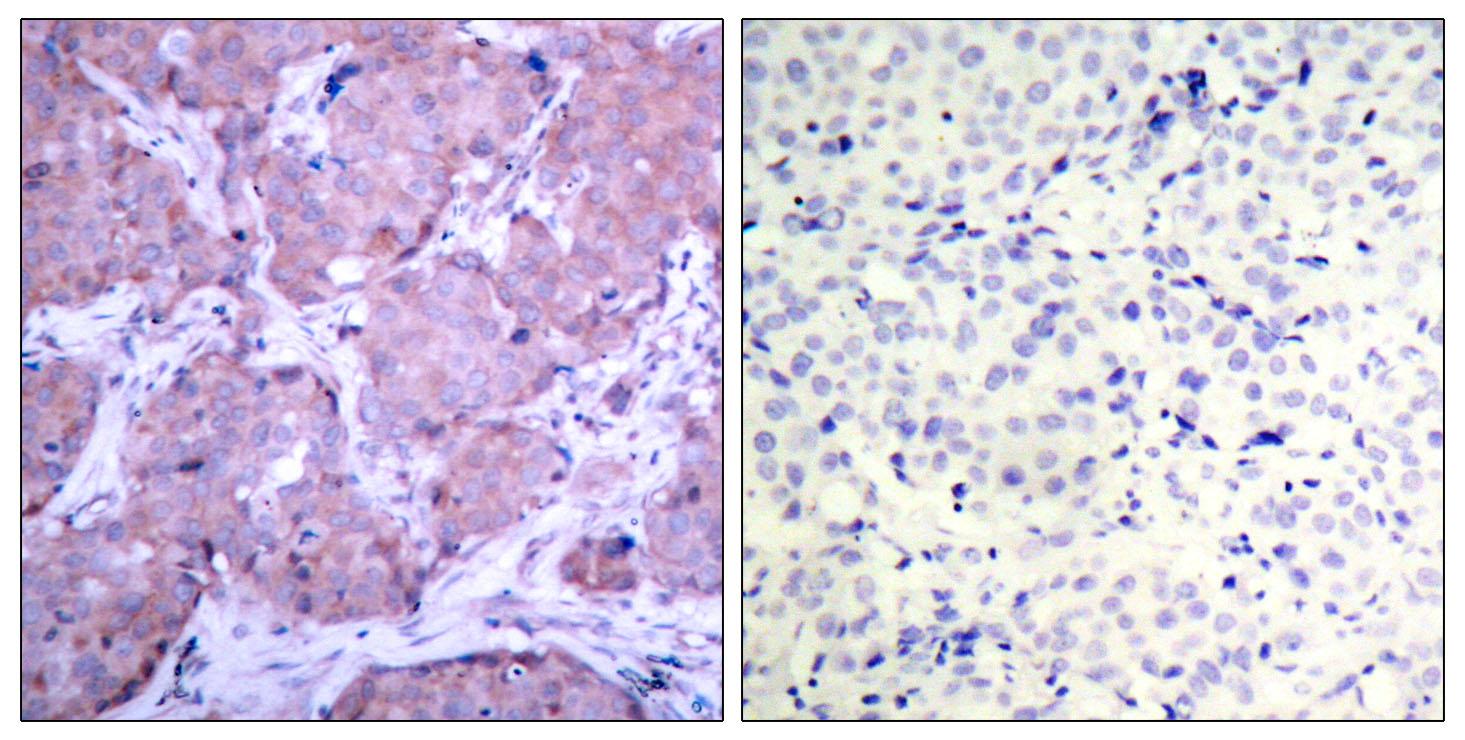
- PTEN (Phospho-Ser380) Antibody Datasheet
Catalog Number:
E011009-2Amount:
100μg/100μlReactivity:
Human, Mouse, RatApplications:
IHC: 1:50~1:100Swiss-Prot No.:
P60484Price:
225$
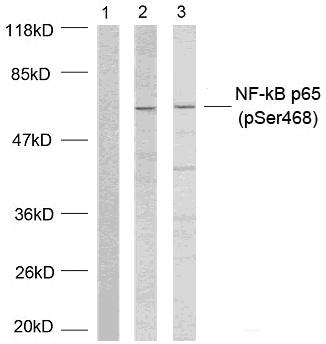
- NFκB-p65 (Phospho-Ser468) Antibody Datasheet
Catalog Number:
E011013-1Amount:
50μg/50μlReactivity:
Human, Mouse, RatApplications:
WB: 1:500~1:1000 IF:1:100~1:200Swiss-Prot No.:
Q04206Price:
145$
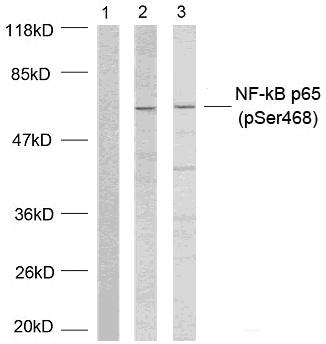
- NFκB-p65 (Phospho-Ser468) Antibody Datasheet
Catalog Number:
E011013-2Amount:
100μg/100μlReactivity:
Human, Mouse, RatApplications:
WB: 1:500~1:1000 IF:1:100~1:200Swiss-Prot No.:
Q04206Price:
225$

- Rel (Phospho-Ser503) Antibody Datasheet
Catalog Number:
E011020-1Amount:
50μg/50μlReactivity:
HumanApplications:
IF:1:100~1:200Swiss-Prot No.:
Q04864Price:
145$

Catalog Number
- Amount:100ul
- Price:225$

Contact us
Categories by research area
Categories by product type
- Antibodies
- Tag antibodies
- Internal control antibodies
- Pathological (Immunohistochemistry, IHC) antibodies
- Cell Signal Transduction Research Antibodies
- Secondary Antibody
- Antibody Sampler Kits
- Recombinant Proteins
- Fluorescence Reagents
- Signal Inhibitors and Activators
- Transfection Reagent
- Cell biology kits