
You are here: EnoGene Home > Products > Cell Signal Transduction Research Antibodies > PEG3 Polyclonal Antibody
PEG3 Polyclonal Antibody
Datasheet
Catalog Number:
E20-73659Amount:
100ulPrice:
225$Purification:
The antibody was affinity-purified from rabbit antiserum by affinity-chromatography using epitope-specific immunogen.Immunogen:
The antiserum was produced against synthesized peptide derived from human PEG3. AA range:1031-1080Source:
Polyclonal, Rabbit
- Western Blot analysis of A549 cells using PEG3 Polyclonal Antibody
Gene Name:
PEG3Dilution:
Western Blot: 1/500 - 1/2000. ELISA: 1/10000. Not yet tested in other applications.Background:
paternally expressed 3(PEG3) Homo sapiens In human, ZIM2 and PEG3 are treated as two distinct genes though they share multiple 5' exons and a common promoter and both genes are paternally expressed (PMID:15203203). Alternative splicing events connect their shared 5' exons either with the remaining 4 exons unique to ZIM2, or with the remaining 2 exons unique to PEG3. In contrast, in other mammals ZIM2 does not undergo imprinting and, in mouse, cow, and likely other mammals as well, the ZIM2 and PEG3 genes do not share exons. Human PEG3 protein belongs to the Kruppel C2H2-type zinc finger protein family. PEG3 may play a role in cell proliferation and p53-mediated apoptosis. PEG3 has also shown tumor suppressor activity and tumorigenesis in glioma and ovarian cells. Alternative splicing of this PEG3 gene results in multiple transcript variants encoding distinct isoforms. [provided by RefSeq, Sep 2009],Protein Name:
Paternally-expressed gene 3 proteinHuman Gene Id:
5178Human Swiss Prot No:
Q9GZU2Mouse Swiss Prot No:
Q3URU2Specificity:
PEG3 Polyclonal Antibody detects endogenous levels of PEG3 protein.Formulation:
Liquid in PBS containing 50% glycerol, 0.5% BSA and 0.02% sodium azide.Concentration:
1 mg/mlStorage Stability:
-20°C/1 yearOther Name:
PEG3; KIAA0287; ZSCAN24; Paternally-expressed gene 3 protein; Zinc finger and SCAN domain-containing protein 24MolecularWeight(Da):
180827Observed Band(KD):
181Function:
function:Induces apoptosis in cooperation with SIAH1A. Acts as a mediator between TP53/p53 and BAX in a neuronal death pathway that is activated by DNA damage. Acts synergistically with TRAF2 and inhibits TNF induced apoptosis through activation of NF-kappa-B (By similarity). Possesses a tumor suppressing activity in glioma cells.,function:May be involved in transcriptional regulation.,similarity:Belongs to the krueppel C2H2-type zinc-finger protein family.,similarity:Contains 1 KRAB domain.,similarity:Contains 1 SCAN box domain.,similarity:Contains 12 C2H2-type zinc fingers.,similarity:Contains 5 C2H2-type zinc fingers.,subunit:Homodimer. Interacts with SIAH1A and SIAH2. Interacts with TRAF2.,tissue specificity:Brain, glial cells, astrocytes, embryo, placenta, testis, ovary and utreus. In the placenta it is found in the layer of villous cytotrophoblast cells while in the ovary it is fouSubcellular Location:
nucleus,nucleoplasm,autophagosome,Expression:
Amygdala,Brain,Clones donated by Kazusa DNA Research Inst.,Fetal kidney,Hippocampus,

Related Products
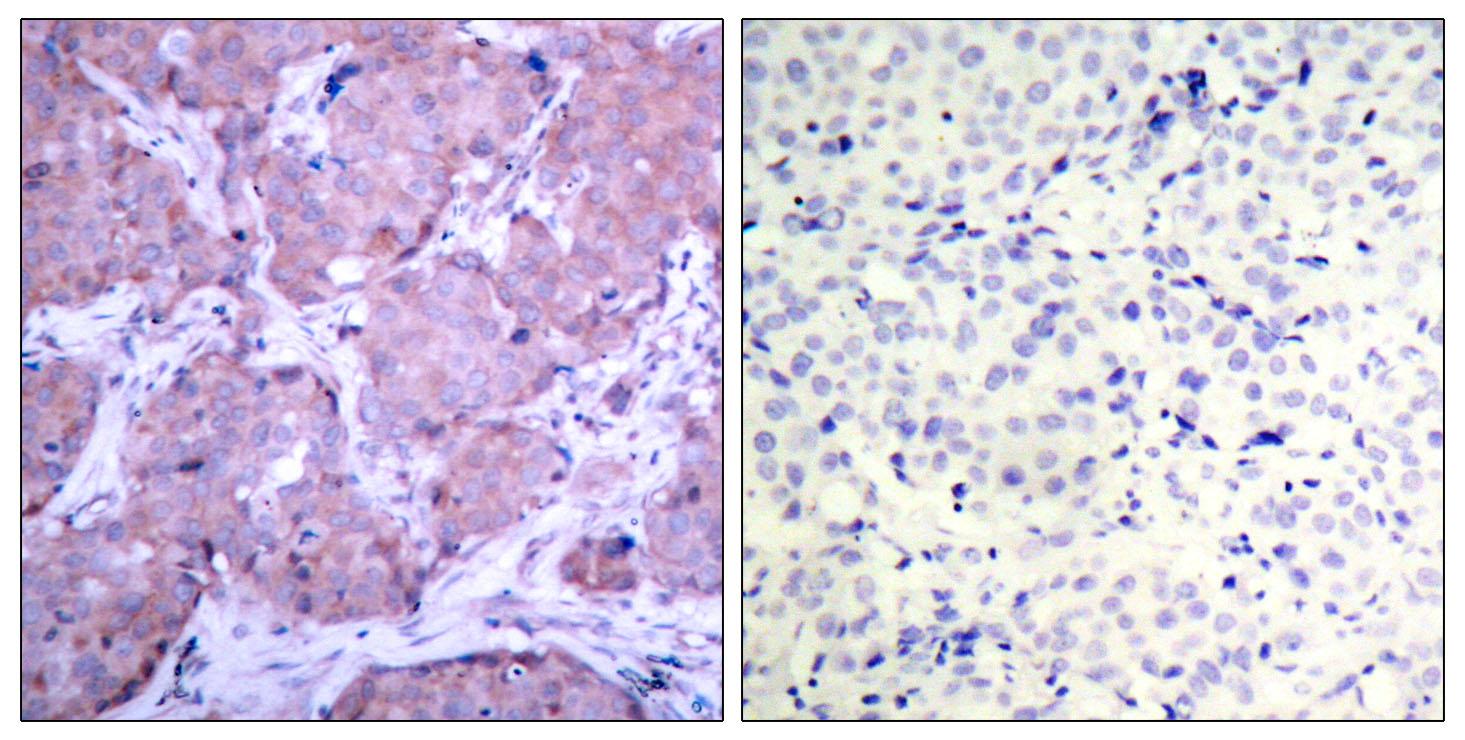
- PTEN (Phospho-Ser380) Antibody Datasheet
Catalog Number:
E011009-1Amount:
50μg/50μlReactivity:
Human, Mouse, RatApplications:
IHC: 1:50~1:100Swiss-Prot No.:
P60484Price:
145$
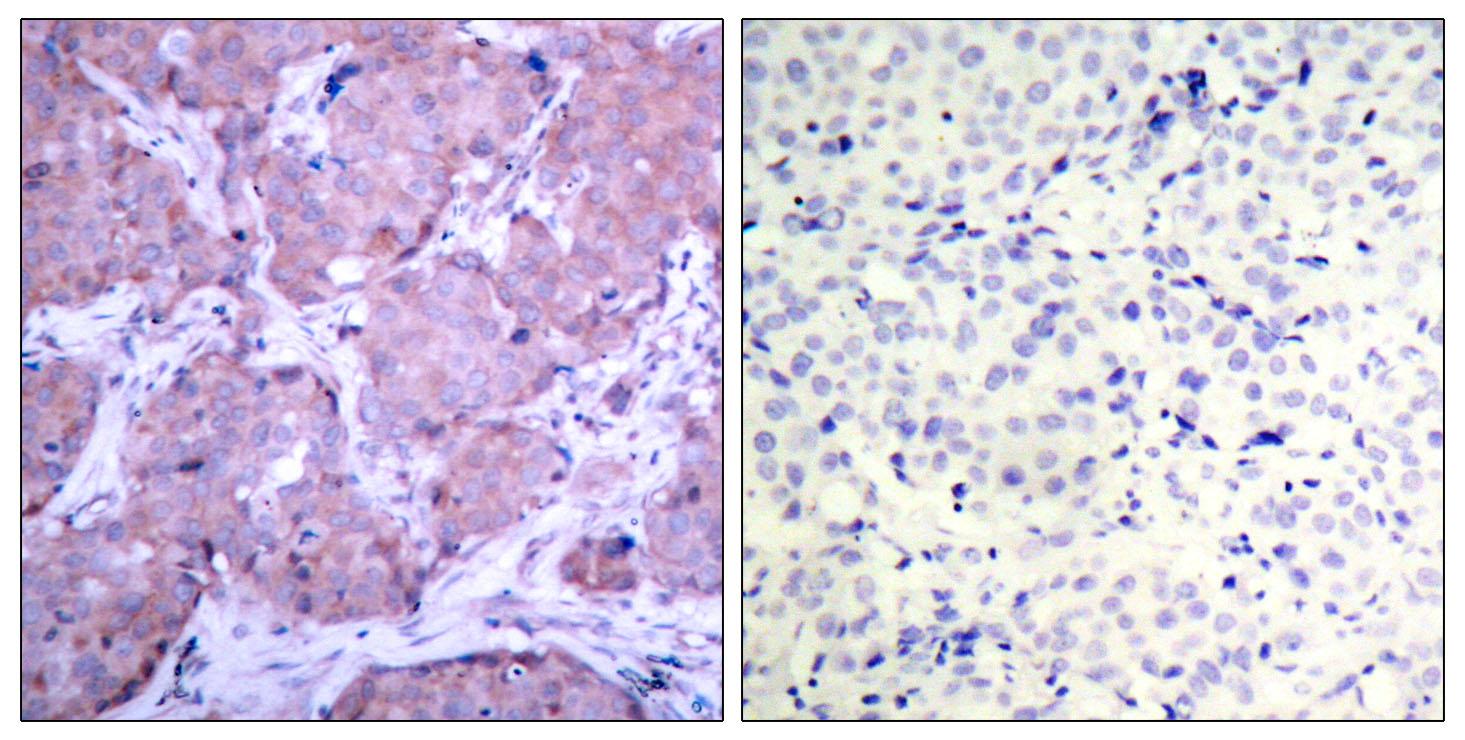
- PTEN (Phospho-Ser380) Antibody Datasheet
Catalog Number:
E011009-2Amount:
100μg/100μlReactivity:
Human, Mouse, RatApplications:
IHC: 1:50~1:100Swiss-Prot No.:
P60484Price:
225$
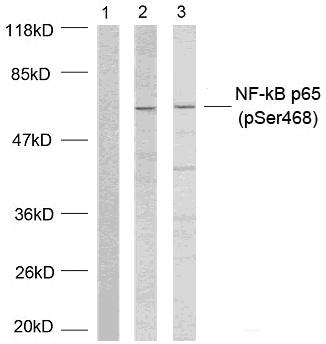
- NFκB-p65 (Phospho-Ser468) Antibody Datasheet
Catalog Number:
E011013-1Amount:
50μg/50μlReactivity:
Human, Mouse, RatApplications:
WB: 1:500~1:1000 IF:1:100~1:200Swiss-Prot No.:
Q04206Price:
145$
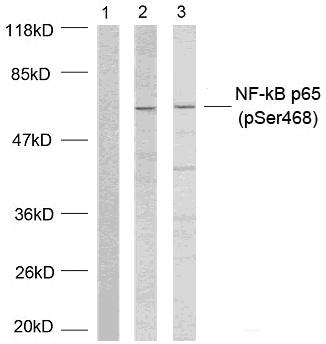
- NFκB-p65 (Phospho-Ser468) Antibody Datasheet
Catalog Number:
E011013-2Amount:
100μg/100μlReactivity:
Human, Mouse, RatApplications:
WB: 1:500~1:1000 IF:1:100~1:200Swiss-Prot No.:
Q04206Price:
225$

- Rel (Phospho-Ser503) Antibody Datasheet
Catalog Number:
E011020-1Amount:
50μg/50μlReactivity:
HumanApplications:
IF:1:100~1:200Swiss-Prot No.:
Q04864Price:
145$

Catalog Number
- Amount:100ul
- Price:225$

Contact us
Categories by research area
Categories by product type
- Antibodies
- Tag antibodies
- Internal control antibodies
- Pathological (Immunohistochemistry, IHC) antibodies
- Cell Signal Transduction Research Antibodies
- Secondary Antibody
- Antibody Sampler Kits
- Recombinant Proteins
- Fluorescence Reagents
- Signal Inhibitors and Activators
- Transfection Reagent
- Cell biology kits