
You are here: EnoGene Home > Products > Cell Signal Transduction Research Antibodies > ATP7A Polyclonal Antibody
ATP7A Polyclonal Antibody
Datasheet
Catalog Number:
E20-70411Amount:
100ulPrice:
225$Purification:
The antibody was affinity-purified from rabbit antiserum by affinity-chromatography using epitope-specific immunogen.Immunogen:
The antiserum was produced against synthesized peptide derived from human ATP7A. AA range:591-640Source:
Polyclonal, RabbitGene Name:
ATP7ADilution:
Immunohistochemistry: 1/100 - 1/300. ELISA: 1/40000. Not yet tested in other applications.
- Immunohistochemistry analysis of ATP7A antibody in paraffin-embedded human brain tissue.
Background:
ATPase copper transporting alpha(ATP7A) Homo sapiens This gene encodes a transmembrane protein that functions in copper transport across membranes. This protein is localized to the trans Golgi network, where it is predicted to supply copper to copper-dependent enzymes in the secretory pathway. It relocalizes to the plasma membrane under conditions of elevated extracellular copper, and functions in the efflux of copper from cells. Mutations in this gene are associated with Menkes disease, X-linked distal spinal muscular atrophy, and occipital horn syndrome. Alternatively-spliced transcript variants have been observed. [provided by RefSeq, Aug 2013],Protein Name:
Copper-transporting ATPase 1Human Gene Id:
538Human Swiss Prot No:
Q04656Mouse Gene Id:
11977Mouse Swiss Prot No:
Q64430Rat Gene Id:
24941Rat Swiss Prot No:
P70705Specificity:
ATP7A Polyclonal Antibody detects endogenous levels of ATP7A protein.Formulation:
Liquid in PBS containing 50% glycerol, 0.5% BSA and 0.02% sodium azide.Concentration:
1 mg/mlStorage Stability:
-20°C/1 yearOther Name:
ATP7A; MC1; MNK; Copper-transporting ATPase 1; Copper pump 1; Menkes disease-associated proteinMolecularWeight(Da):
163335/165110/172078/154357Function:
catalytic activity:ATP + H(2)O + Cu(2+)(In) = ADP + phosphate + Cu(2+)(Out).,disease:Defects in ATP7A are the cause of Menkes disease (MNKD) [MIM:309400]; also known as kinky hair disease. MNKD is an X-linked recessive disorder of copper metabolism characterized by generalized copper deficiency. MNKD results in progressive neurodegeneration and connective-tissue disturbances: focal cerebral and cerebellar degeneration, early growth retardation, peculiar hair, hypopigmentation, cutis laxa, vascular complications and death in early childhood. The clinical features result from the dysfunction of several copper-dependent enzymes.,disease:Defects in ATP7A are the cause of occipital horn syndrome (OHS) [MIM:304150]; also known as X-linked cutis laxa. OHS is an X-linked recessive disorder of copper metabolism. Common features are unusual facial appearance, skeletal abnormalities, chronic diarrhSubcellular Location:
late endosome,endoplasmic reticulum,Golgi apparatus,trans-Golgi network,cytosol,plasma membrane,integral component of plasma membrane,membrane,integral component of membrane,basolateral plasma membrane,trans-Golgi network transportExpression:
Brain,Colon carcinoma,Endothelial cell,Fibroblast,Kidney,Neuroblastoma,

Related Products
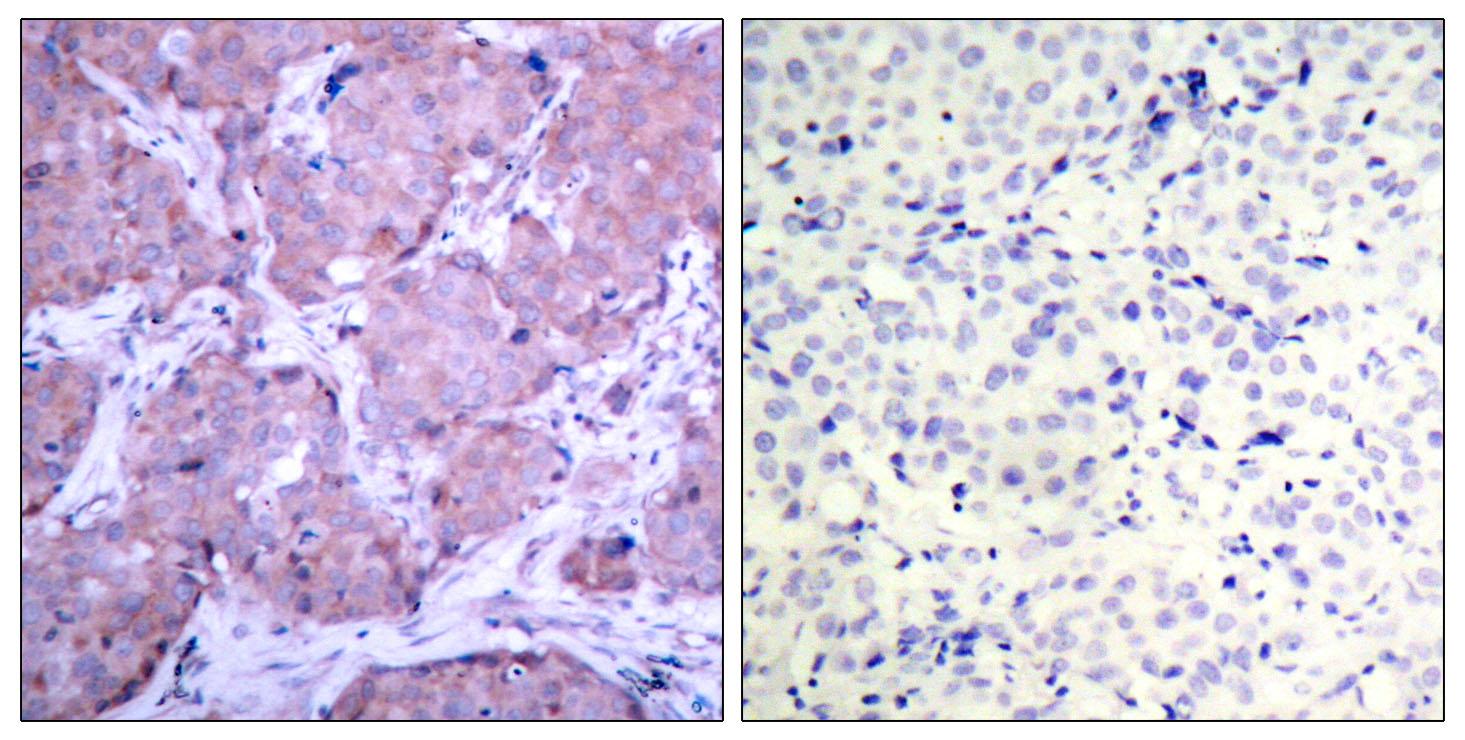
- PTEN (Phospho-Ser380) Antibody Datasheet
Catalog Number:
E011009-1Amount:
50μg/50μlReactivity:
Human, Mouse, RatApplications:
IHC: 1:50~1:100Swiss-Prot No.:
P60484Price:
145$
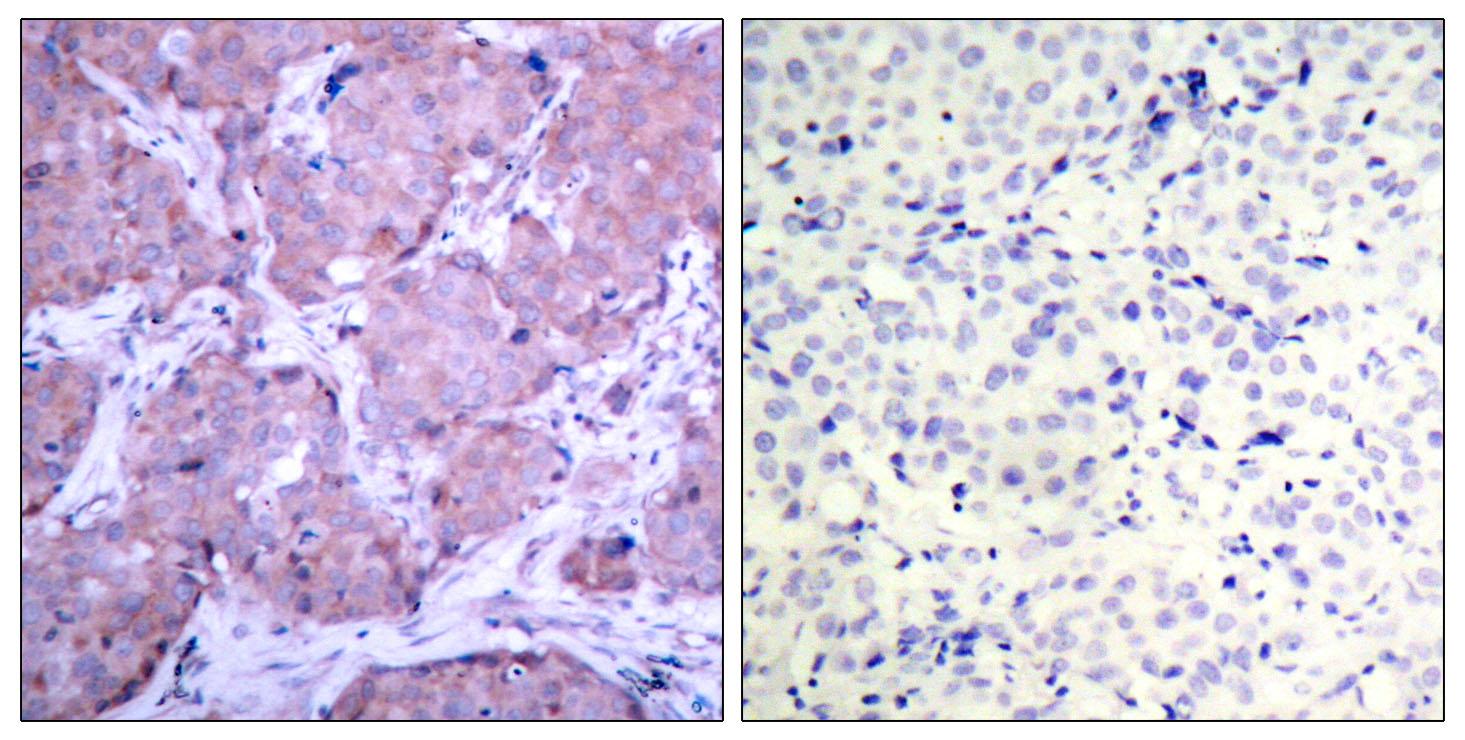
- PTEN (Phospho-Ser380) Antibody Datasheet
Catalog Number:
E011009-2Amount:
100μg/100μlReactivity:
Human, Mouse, RatApplications:
IHC: 1:50~1:100Swiss-Prot No.:
P60484Price:
225$
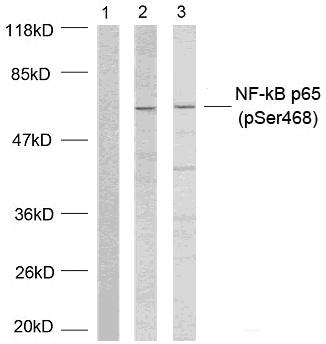
- NFκB-p65 (Phospho-Ser468) Antibody Datasheet
Catalog Number:
E011013-1Amount:
50μg/50μlReactivity:
Human, Mouse, RatApplications:
WB: 1:500~1:1000 IF:1:100~1:200Swiss-Prot No.:
Q04206Price:
145$
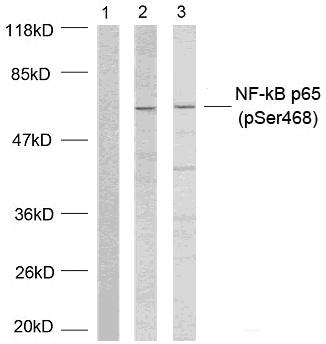
- NFκB-p65 (Phospho-Ser468) Antibody Datasheet
Catalog Number:
E011013-2Amount:
100μg/100μlReactivity:
Human, Mouse, RatApplications:
WB: 1:500~1:1000 IF:1:100~1:200Swiss-Prot No.:
Q04206Price:
225$

- Rel (Phospho-Ser503) Antibody Datasheet
Catalog Number:
E011020-1Amount:
50μg/50μlReactivity:
HumanApplications:
IF:1:100~1:200Swiss-Prot No.:
Q04864Price:
145$

Catalog Number
- Amount:100ul
- Price:225$

Contact us
Categories by research area
Categories by product type
- Antibodies
- Tag antibodies
- Internal control antibodies
- Pathological (Immunohistochemistry, IHC) antibodies
- Cell Signal Transduction Research Antibodies
- Secondary Antibody
- Antibody Sampler Kits
- Recombinant Proteins
- Fluorescence Reagents
- Signal Inhibitors and Activators
- Transfection Reagent
- Cell biology kits