
You are here: EnoGene Home > Products > Cell Signal Transduction Research Antibodies > PBK Polyclonal Antibody
PBK Polyclonal Antibody
Datasheet
Catalog Number:
E20-60330Amount:
100ulPrice:
225$Purification:
The antibody was affinity-purified from rabbit antiserum by affinity-chromatography using epitope-specific immunogen.Immunogen:
The antiserum was produced against synthesized peptide derived from human PBK/TOPK. AA range:1-50Source:
Polyclonal, Rabbit
- Western Blot analysis of 293T cells using PBK Polyclonal Antibody diluted at 1:500
Gene Name:
PBKDilution:
Western Blot: 1/500 - 1/2000. Immunohistochemistry: 1/100 - 1/300. ELISA: 1/40000. Not yet tested in other applications.Background:
PDZ binding kinase(PBK) Homo sapiens This gene encodes a serine/threonine protein kinase related to the dual specific mitogen-activated protein kinase kinase (MAPKK) family. Evidence suggests that mitotic phosphorylation is required for its catalytic activity. The encoded protein may be involved in the activation of lymphoid cells and support testicular functions, with a suggested role in the process of spermatogenesis. Overexpression of this gene has been implicated in tumorigenesis. Alternative splicing results in multiple transcript variants. [provided by RefSeq, Jul 2013],Protein Name:
Lymphokine-activated killer T-cell-originated protein kinaseHuman Gene Id:
55872Human Swiss Prot No:
Q96KB5Specificity:
Phospho-PBK (T9) Polyclonal Antibody detects endogenous levels of PBK protein only when phosphorylated at T9.Formulation:
Liquid in PBS containing 50% glycerol, 0.5% BSA and 0.02% sodium azide.Concentration:
1 mg/mlStorage Stability:
-20°C/1 yearOther Name:
PBK; TOPK; Lymphokine-activated killer T-cell-originated protein kinase; Cancer/testis antigen 84; CT84; MAPKK-like protein kinase; Nori-3; PDZ-binding kinase; Spermatogenesis-related protein kinase; SPK; T-LAK cell-originated protein kinasMolecularWeight(Da):
36085Observed Band(KD):
36Function:
catalytic activity:ATP + a protein = ADP + a phosphoprotein.,enzyme regulation:Activated by phosphorylation.,function:Phosphorylates MAP kinase p38. Seems to be active only in mitosis. May also play a role in the activation of lymphoid cells. When phosphorylated, forms a complex with TP53, leading to TP53 destabilization and attenuation of G2/M checkpoint during doxorubicin-induced DNA damage.,PTM:Phosphorylated; in a cell-cycle dependent manner at mitosis.,similarity:Belongs to the protein kinase superfamily. Ser/Thr protein kinase family. MAP kinase kinase subfamily.,similarity:Contains 1 protein kinase domain.,subunit:Interacts with DLG1 and TP53.,tissue specificity:Expressed in the testis and placenta. In the testis, restrictedly expressed in outer cell layer of seminiferous tubules.,Subcellular Location:
nucleus,Expression:
Brain,Embryo,Epithelium,Fetal brain,Lymphoid,
- Enzyme-Linked Immunosorbent Assay (Phospho-ELISA) for Immunogen Phosphopeptide (Phospho-left) and Non-Phosphopeptide (Phospho-right), using PBK/TOPK (Phospho-Thr9) Antibody

Related Products
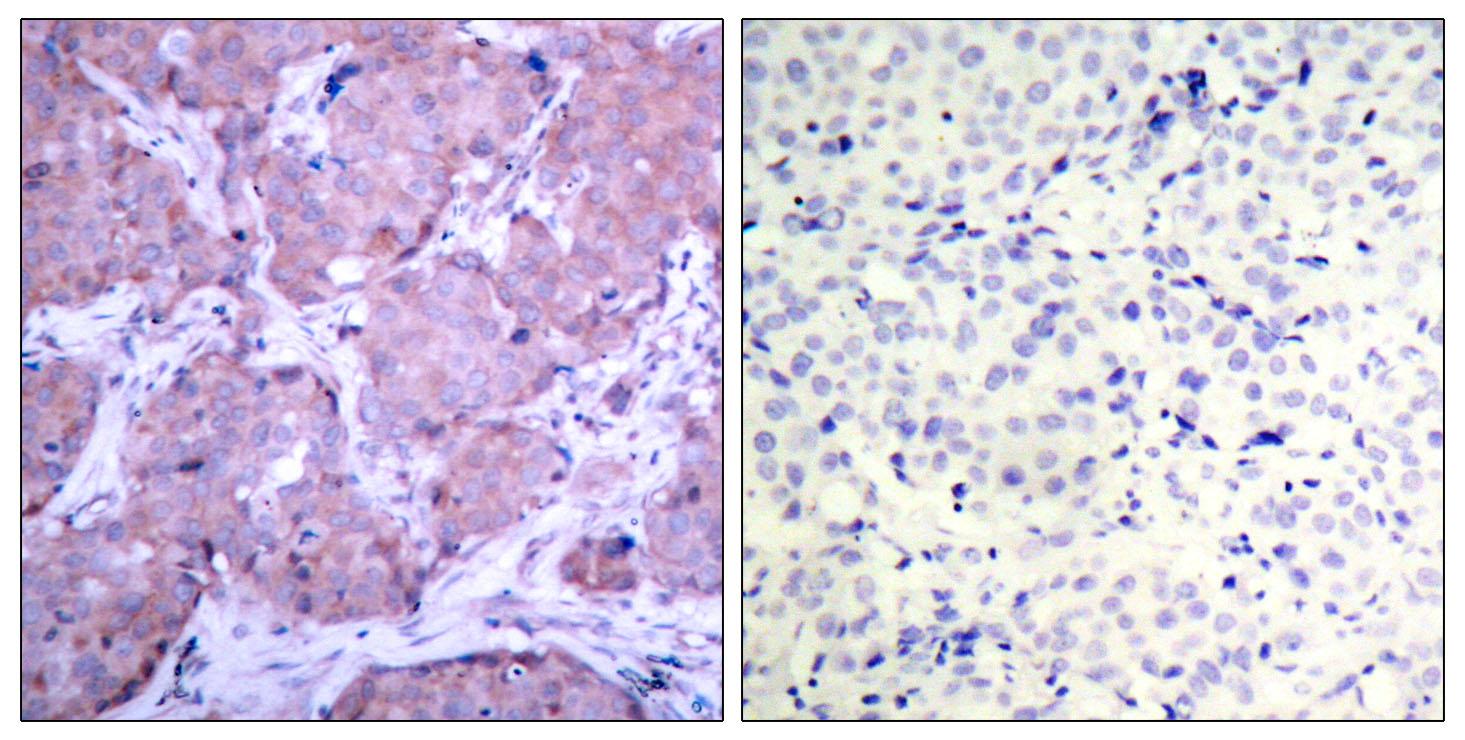
- PTEN (Phospho-Ser380) Antibody Datasheet
Catalog Number:
E011009-1Amount:
50μg/50μlReactivity:
Human, Mouse, RatApplications:
IHC: 1:50~1:100Swiss-Prot No.:
P60484Price:
145$
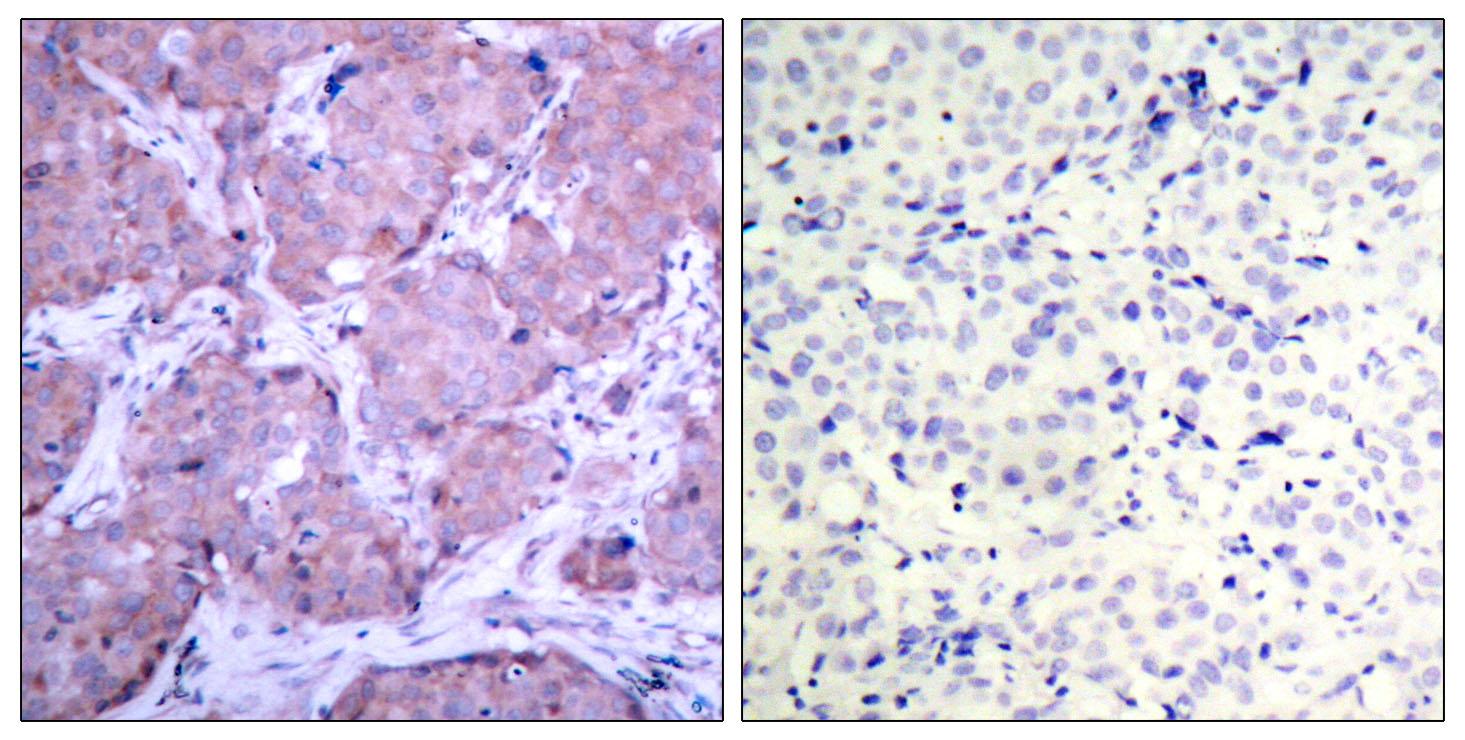
- PTEN (Phospho-Ser380) Antibody Datasheet
Catalog Number:
E011009-2Amount:
100μg/100μlReactivity:
Human, Mouse, RatApplications:
IHC: 1:50~1:100Swiss-Prot No.:
P60484Price:
225$
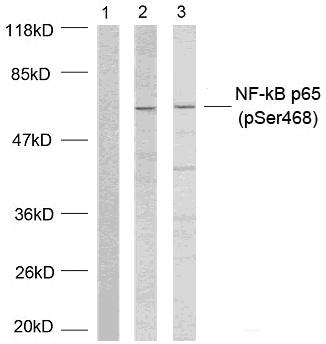
- NFκB-p65 (Phospho-Ser468) Antibody Datasheet
Catalog Number:
E011013-1Amount:
50μg/50μlReactivity:
Human, Mouse, RatApplications:
WB: 1:500~1:1000 IF:1:100~1:200Swiss-Prot No.:
Q04206Price:
145$
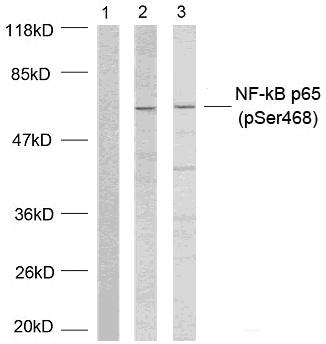
- NFκB-p65 (Phospho-Ser468) Antibody Datasheet
Catalog Number:
E011013-2Amount:
100μg/100μlReactivity:
Human, Mouse, RatApplications:
WB: 1:500~1:1000 IF:1:100~1:200Swiss-Prot No.:
Q04206Price:
225$

- Rel (Phospho-Ser503) Antibody Datasheet
Catalog Number:
E011020-1Amount:
50μg/50μlReactivity:
HumanApplications:
IF:1:100~1:200Swiss-Prot No.:
Q04864Price:
145$

Catalog Number
- Amount:100ul
- Price:225$

Contact us
Categories by research area
Categories by product type
- Antibodies
- Tag antibodies
- Internal control antibodies
- Pathological (Immunohistochemistry, IHC) antibodies
- Cell Signal Transduction Research Antibodies
- Secondary Antibody
- Antibody Sampler Kits
- Recombinant Proteins
- Fluorescence Reagents
- Signal Inhibitors and Activators
- Transfection Reagent
- Cell biology kits